



What is Pump
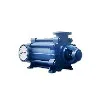
A pump is a machine that pressurizes by some mechanism (usually a reciprocating or rotary type), transporting fluid from a low level (low pressure area) to a high level (high pressure area). Pumps can only transport substances with fluid as a medium, not solids. Fluids include water, oil, acid-base liquid, emulsion, suspoemulsion, liquid metal and other liquids, and can also transport gas. As a machine, a pump can be powered by a variety of energy sources. Such as physical operations, electricity, motors or wind. Meanwhile, pumps include a variety of sizes, from microscopic pumps to various large industrial pumps. Regardless of the size of the pump, all pumps deliver fluid from the pump's inlet to the pump's outlet by increasing pressure.The structure of the pump is also not complicated. For example, a centrifugal pump is mainly composed of a pump body, an impeller, a sealing ring, a rotating shaft, a shaft seal box and other components. Each part can be finished by casting process. Then assembled into a complete pump.
Advantages of Pump
Efficient fluid transportation: Pumps play a crucial role in efficiently transporting fluids such as water, oil, or chemicals from one location to another. They enable the movement of liquids over long distances or to higher elevations, facilitating various industrial, agricultural, and domestic applications.
Versatility in applications: Pumps are versatile devices with a wide range of applications across industries. They are employed in diverse sectors, including water supply and distribution, wastewater treatment, oil and gas extraction, manufacturing processes, and heating, ventilation, and air conditioning (HVAC) systems. This versatility makes pumps indispensable for numerous operations.
Increased productivity and cost-efficiency: The use of pumps often leads to increased productivity and cost-efficiency in various processes. By automating the transfer of fluids, pumps reduce the manual effort required and enhance the overall efficiency of operations. This, in turn, contributes to cost savings and improved resource utilization.
Control and precision: Pumps provide precise control over the flow rate and pressure of fluids. This control is essential in applications where accuracy is crucial, such as in chemical manufacturing or pharmaceutical production. The ability to regulate the flow and pressure ensures that processes are carried out with precision, maintaining product quality and consistency.
Why Choose US
Professional team: Our professional team collaborate and communicate effectively with one another, and are committed to delivering high-quality results. They are capable of handling complex challenges and projects that require their specialized expertise and experience.
Innovation: We are dedicated to improving our systems continually, ensuring that the technology we offer is always cutting edge.
One-stop solution: We can offer a range of services, from consultation and advice to product design and delivery. It is a convenience for the customers, as they can get all the help they need in one place.
24-hour online service: We try and respond to all concerns within 24 hours and our teams are always at your disposal in case of any emergencies.
Types of Pump
Lorem ipsum dolor sit amet, consectetur adipiscing slit. Nunc blandit dui eget ipsum pulvinar tempor. In laoreet elit sodales, finibs lorem nec, rutrum ipsum.

multistage pump
These types of pumps are most commonly used worldwide. The working is very simple, described well and carefully tested. This pump is strong, efficient and fairly cheap to make. Whenever the pump is in action, then the fluid pressure will increase from the inlet of the pump to its outlet. The change of pressure will drive the liquid throughout the system. This kind of pump produces an enhancement within force by transmitting mechanical power from the electrical motor to the liquid throughout the revolving impeller. The flow of liquid will enter the center of impeller and exits along with its blades. The centrifugal power hereby enhances the velocity of fluid & also the energy like kinetic can be altered to force.
Double Suction Pump
As an important form of centrifugal pump, double suction pump has the characteristics of high head and large flow rate. The inlet and outlet of double suction pump are in the same direction and perpendicular to the pump shaft, which is conducive to the arrangement and installation of pump and inlet and outlet pipes. The impeller structure of double suction pump is symmetrical, there is no axial force, and the operation is relatively stable. It is widely used in engineering, mainly for conveying clean water and liquids with physical and chemical properties similar to water.


Self-balancing multistage pump
The self-balancing multistage pump adopts an advanced hydraulic model and independently develops high-efficiency and energy-saving products. Through the symmetrical arrangement of impeller rotor components, the axial forces generated during operation offset each other and automatically balance, thus eliminating the need for traditional balancing discs or balancing drum structures. This design not only reduces friction loss and volume loss, but also improves overall efficiency, which is 3-5% higher than the average efficiency of ordinary multistage pumps.
Boiler Feed Pump
Boiler feed pump is a kind of equipment widely used in the power and thermal industry. Its working principle is to pressurize low-pressure water through the rotation of the impeller to make it reach a sufficiently high pressure to meet the needs of the boiler. It has the characteristics of wide performance range, high operating efficiency and long service life. It is particularly suitable for industrial boiler water supply and drainage, cooling water transportation, etc.

Pumps are basically simple devices that are used to move fluids by mechanical means. Pumps come in many different forms, but all share the common goal of moving fluid from one place to another. Pumps can be used for various applications based on need, including moving water, air, gasoline, and other liquids.
Pumps work by creating a vacuum which is used to push or pull liquids or gasses. Different types of pumps have different ways of working; however, what remains common is creating a difference in pressure points which creates suction. The liquid or the gas will always move from high to low pressure.
The type of pump you use will depend on the job you need it to do. For example, a small hand-held pump is typically used to inflate a tire, while a much larger pump is necessary to move water through a plumbing system. There are many different types of pumps, each with unique features and benefits.
The main performance parameters of the pump
The main performance parameters of the pump are flow rate, lift, shaft power, necessary NPSH, speed, etc.
The flow rate of the pump
The quantity of liquid provided by the pump per unit time, there is volume flow Q, the unit is m3/s; there is mass flow G, the unit is kg/s.
The lift of the pump
Lift is the energy increment per unit weight of the liquid transported from the pump inlet to the outlet. Usually expressed in H. The unit is m. Taking the water pump as an example, the lift of the water pump refers to the height at which the water pump can lift water.
The shaft power of the pump
Shaft power is a term often used on pumps. It refers to the work given to the pump shaft per unit time under a certain flow and head. It is represented by P and the unit is kW.
Speed
The number of revolutions per minute of the pump, represented by n, in r/min.
NPSH
The NPSH must be related to the internal flow of the pump, it is independent of the device parameters. It indicates the degree to which the pressure of the liquid drops in the inlet part of the pump. That is to say, in order to prevent cavitation of the pump, it is required that the unit weight of the liquid at the pump inlet has excess energy exceeding the vaporization pressure head.The smaller the required NPSH, the better the pump's cavitation resistance.
There is an interdependent relationship between the various performance parameters of the pump. And the viscosity of the liquid conveyed by the same pump is different. The relationship between its performance parameters will also change. For example, a power pump, as the viscosity of the liquid increases, the lift and efficiency of the power pump decrease, and the shaft power increases. It is also for this reason that in order to improve the conveying efficiency in the industry, the liquid with high viscosity will be heated to reduce the viscosity.
Pump Application Industries
Chemical industry
Most of the raw materials, finished products and semi-finished products of chemicals and petroleum are liquids and require complex technological processes. The main functions of pumps in the chemical industry are: transporting liquids, providing pressure flow for chemical reactions, and adjusting temperature.
Agriculture
In agriculture, a large number of pumps are required every year, which can account for more than 40% of the total pump production. These pumps are commonly used for irrigation and drainage in agriculture.
Mining
Pumps are also common equipment in the mining and metallurgical industries. It can supply water in the process of smelting and rolling. It can also drain mine.
Power industry
In the power system. Thermal power plants need a large number of pumps. Including water pumps, condensate pumps, and circulating water pumps. In nuclear power plants, nuclear main pumps, secondary pumps, tertiary pumps are needed.
Medical industry
Pumps can be used in pharmaceutical development and manufacturing processes. And can be used as artificial replacements for body parts. such as artificial hearts.
Energy industry
Pumps can be used to transport oil and gas. It can also be used in cooling towers, heating, ventilation and air conditioning systems.
Principles of Pump Selection
The selection of the pump type can be considered according to the performance parameters, the nature of the conveying fluid, the technological process, the water supply and drainage requirements and other factors. Performance parametersBefore selecting a pump, first consider the performance parameters of the pump. Including flow, head, temperature, cavitation flow, suction lift, etc.
Flow rate
Flow rate is one of the important performance data for pump selection. It is directly related to the delivery capacity of the pump. When choosing a pump, take the maximum flow as the basis and take into account the normal flow. If there is no maximum flow, 1.1 times the normal flow can be taken as the reference.
Pump lift
Pump lift is another important performance data for pump selection. Generally, it is necessary to enlarge the 5%-10% margin and then choose.
Conveying fluid properties
The properties of the transport fluid include physical properties, chemical properties and other properties. Physical properties include temperature, density, viscosity, and solid particle diameter and gas content in the fluid. Chemical properties include chemical corrosiveness, toxicity, and flammability and explosion of fluids.

The Size of the Pump
For the normal operation of the pump, generally only one large pump is used, and two small pumps are not selected.In the case of the same head and flow, a large pump is equal to two small pumps working in parallel, and the efficiency of the large pump is higher than that of the small pump, which can reduce the cost. If the flow rate is too large and one pump cannot reach this flow rate, two pumps can be considered for parallel cooperation. If the pump needs to run continuously for 24 hours, three pumps should be spared. One for operation, one for backup and one for maintenance.
he Shape of the Pump
Volute-shaped housing
The shell of this shape can be divided into single volute and double volute. The double volute structure consists of two volutes offset by 180° to balance radial forces.
Vortex housing (vortex volute)
The cross-section of the vortex casing is clearly asymmetrical on the meridian plane, reference can be made to the volute pump with mixed flow impeller and vortex volute.
Ring housing (ring housing)
The circumference of the annular casing has a constant cross-sectional area. Which can be referred to as a double-suction annular casing pump.
Elbow housing.
Elbow housing input flow is discharged into the elbow (housing) through a diffuser, see Elbow Housing Pumps.
How Do I Select the Right Pump for My Needs
Define the parameters of your application, including the type of fluid to be pumped, desired flow rate, required pressure, temperature considerations, and any unique characteristics of the fluid in question. This initial step sets the foundation for choosing a pump that aligns precisely with your operational demands.
Next, explore the different types of pumps available in the market, such as centrifugal pumps, positive displacement pumps, diaphragm pumps, and others. Each type has distinct advantages and limitations, so it's essential to match the pump's characteristics with the specific needs of your application. Factors like fluid viscosity, solids content, and sensitivity to shear forces should be taken into account during this evaluation process.
Consider the compatibility of the pump with your overall system and installation requirements. Assess the available space for installation, the power source, and any special considerations for maintenance or repairs. Compatibility with other system components is crucial to ensure seamless integration and efficient operation.
Additionally, conduct a lifecycle cost analysis to evaluate the total cost of ownership. While the initial purchase price is a significant factor, consider long-term aspects such as energy efficiency, maintenance requirements, and the expected lifespan of the pump. Opting for a pump with higher energy efficiency may involve a higher upfront cost but can result in substantial savings over the pump's operational life.
The Production Process of Pump
Design and engineering
The production process begins with design and engineering. Engineers create detailed specifications, considering factors such as the type of pump, intended application, materials, and performance requirements. Computer-aided design (CAD) and other tools are often used to develop precise plans for the pump.
Material selection and preparation
Once the design is finalized, materials are selected based on their compatibility with the fluid to be pumped and the operating conditions. Common materials include metals, plastics, and composite materials. The selected materials are then prepared for manufacturing, undergoing processes like casting, forging, or machining to achieve the required shapes and dimensions.
Component fabrication
The various components of the pump, such as impellers, casings, and shafts, are fabricated according to the design specifications. This may involve processes like casting, machining, welding, or molding. Each component is carefully crafted to meet the quality standards and tolerances set during the design phase.
Assembly
In the assembly phase, individual components are brought together to create the complete pump. Skilled technicians assemble the pump, ensuring that all parts fit together precisely. Seals, bearings, and other critical components are installed to guarantee the pump's reliability and performance.
Testing and quality control
Following assembly, the pump undergoes rigorous testing and quality control procedures. Various performance tests are conducted to assess factors such as flow rate, pressure, and efficiency. Quality control measures ensure that the pump meets industry standards and customer specifications. Defective or non-compliant units are identified and addressed during this stage.
Packaging and shipping
Once the pump passes all quality checks, it is prepared for packaging. The pump is carefully packaged to prevent damage during transportation. Detailed instructions, manuals, and necessary accessories are included. The pumps are then shipped to distributors, manufacturers, or end-users, completing the production process.
How to Install Pump
Site preparation
Begin by selecting an appropriate location for the pump installation. Ensure the chosen site is easily accessible for maintenance and meets safety regulations. Prepare a stable foundation if necessary, following the manufacturer's recommendations for foundation specifications. Adequate site preparation contributes to the pump's stability and longevity.
Alignment and leveling
Accurate alignment and leveling are crucial for the pump's smooth operation. Use precision tools to align the pump shaft with the driver (such as an electric motor or engine) and ensure the pump is level. Proper alignment reduces wear and tear, optimizing the pump's performance and extending its lifespan.
Connect piping
Connect the inlet and outlet piping according to the pump specifications. Use appropriate fittings, seals, and gaskets to prevent leaks. Pay attention to the flow direction, and adequately support the piping to avoid unnecessary stress on the pump and associated components. Proper piping connections ensure efficient fluid transfer and prevent operational issues.
Priming
In cases where priming is necessary, follow the manufacturer's instructions. Priming is crucial for certain pump types, such as centrifugal pumps, to remove air and ensure the pump is filled with the fluid it will handle. Proper priming contributes to the pump's efficiency and prevents issues like cavitation during operation.
How Do I Maintain My Pump to Ensure Optimal Performance

Regular inspection and monitoring
Conduct regular visual inspections of the pump and its components to identify any signs of wear, corrosion, or leaks. Monitor performance parameters such as flow rates, pressure levels, and temperature regularly. Early detection of abnormalities allows for prompt intervention before issues escalate, preventing potential damage to the pump.

Lubrication and bearing maintenance
Proper lubrication is essential for the smooth operation of the pump. Follow the manufacturer's guidelines for lubrication schedules and use the recommended lubricants. Pay particular attention to bearing maintenance, as worn or improperly lubricated bearings can lead to increased friction and reduced efficiency. Regularly check and replace lubricants as needed to ensure optimal performance.

Seal inspection and replacement
Pump seals are critical components that prevent leaks and maintain the efficiency of the system. Periodically inspect seals for wear, damage, or leakage. Replace seals as soon as signs of deterioration are observed to prevent fluid leakage and maintain the pump's effectiveness. Additionally, ensure that the sealing system is properly adjusted to minimize wear on the seals.

Cleanliness and debris management
Keep the pump and its surrounding area clean to prevent the accumulation of debris, dirt, or contaminants. Foreign particles can damage impellers, casings, and other components, leading to reduced efficiency and potential breakdowns. Regularly clean inlet screens and filters, and implement measures to protect the pump from environmental factors that may impact its performance.
What Are Some Safety Precautions I Should Take When Using a Pump
Proper training and familiarity
Before operating a pump, ensure that operators are adequately trained and familiar with the specific pump model they will be using. Training should cover proper start-up and shutdown procedures, understanding control systems, and recognizing potential hazards. Well-informed operators are better equipped to handle the equipment safely.
Protective gear and clothing
Wear appropriate personal protective equipment (PPE) when working with or around pumps. This may include safety glasses, gloves, hearing protection, and, if necessary, respiratory protection. The type of PPE required will depend on the pump's application, the nature of the pumped material, and potential exposure to noise or hazardous substances.
High-Quality Emergency shutdown procedures
Establish clear and effective emergency shutdown procedures in case of unexpected situations or hazards. Ensure that operators are aware of how to quickly and safely shut down the pump in the event of a malfunction, leak, or other emergencies. This includes knowing the location and operation of emergency stop buttons or switches.
Regular equipment inspection and maintenance
Conduct routine inspections and maintenance of the pump to identify and address potential issues before they escalate. Regularly check for leaks, loose fittings, and any signs of wear or damage.
Start-up procedure
Begin by following the manufacturer's recommended start-up procedure. This typically involves priming the pump (if necessary), starting the driving mechanism (such as an electric motor or engine), and gradually bringing the pump to its operating speed. Ensure that all safety measures are in place, and monitor the initial stages to detect any abnormalities.
Monitoring parameters
Constantly monitor key parameters during operation, including flow rates, pressure levels, and temperature. Utilize gauges, sensors, and control systems to keep track of these factors. Regular monitoring helps identify any deviations from normal operating conditions, enabling prompt intervention if issues arise.
Shutdown process
Familiarize yourself with the proper shutdown procedures. This includes gradually reducing the pump's speed, shutting down the driving mechanism, and ensuring that all valves and controls are in the correct position. A well-executed shutdown helps prevent damage to the pump and associated components.
Routine inspections
Implement a routine inspection schedule to check for wear, leaks, or any signs of damage. Regularly inspect seals, bearings, and other critical components. Address any identified issues promptly to prevent them from escalating and impacting the pump's performance.
Maintenance practices
Adhere to the manufacturer's recommended maintenance practices, including lubrication schedules and the replacement of worn components. Routine maintenance extends the pump's operational life, enhances efficiency, and reduces the risk of unexpected breakdowns.
Maintenance Tips for Pump
1. Lubrication management
Follow the manufacturer's recommended lubrication schedule and use the specified lubricants. Proper lubrication is crucial for reducing friction, preventing wear on moving parts, and ensuring smooth operation. Regularly check and replenish lubricants as needed, paying special attention to bearings and seals.
2. Seal and gasket inspection
Periodically inspect seals and gaskets for wear, deterioration, or leaks. Replace worn or damaged seals promptly to prevent fluid leakage and maintain the pump's efficiency. Ensure that seals are properly aligned and lubricated to minimize friction.
3. Clean inlet and outlet strainers
Keep inlet and outlet strainers clean to prevent the entry of debris and contaminants into the pump. Regularly remove and clean strainers to maintain unobstructed flow and protect the pump from potential damage. Consider installing filters or screens to further protect the pump from foreign particles.
4. Alignment and coupling checks
Ensure that the pump is correctly aligned with the driving mechanism (e.g., motor or engine). Misalignment can lead to increased wear on bearings and reduce efficiency. Regularly check couplings for wear, tightness, and proper alignment. Address any issues promptly to maintain optimal pump performance.
5. Scheduled maintenance tasks
Establish a comprehensive maintenance schedule based on the manufacturer's recommendations. This may include tasks such as impeller inspection, motor or engine servicing, and overall system checks. Adhere to the schedule to prevent unexpected breakdowns and extend the pump's operational life.
Our Factory
HNYB PUMPS has advanced production equipment,perfect testing means,with a high-quality talent team.Production of a variety of products,complete specifications,under the guidance of the"everything for the customer"policy,the company is constantly forging ahead,innovative development,in the long-term practice has formed a complete set of quality management system,and equipped with excellent technical installation and debugging after-sales service team,really eliminate the troubles for you.


FQA
Q: What is a pump, and how does it function?
Q: What is a pump, and how does it function?
A: A pump is a mechanical device designed to move fluids, such as liquids or gases, from one place to another. It functions by creating a flow and increasing the pressure of the fluid, allowing it to be transported through pipelines or systems.
Q: What are the common types of pumps used in various industries?
A: Common types of pumps include centrifugal pumps, positive displacement pumps (e.g., reciprocating and diaphragm pumps), rotary pumps, and axial flow pumps. Each type serves specific applications based on its design and capabilities.
Q: How does a centrifugal pump differ from a positive displacement pump?
A: Centrifugal pumps work by imparting kinetic energy to the fluid through a rotating impeller, while positive displacement pumps displace a fixed volume of fluid per cycle. Centrifugal pumps are suitable for high-flow, low-pressure applications, whereas positive displacement pumps are ideal for high-pressure and precise flow applications.
Q: What are the primary applications of centrifugal pumps?
A: Centrifugal pumps are commonly used in industries such as water supply, wastewater treatment, HVAC systems, chemical processing, and oil and gas. Their ability to handle large volumes of fluid makes them versatile in various applications.
Q: Can you explain the working principle of a reciprocating pump?
A: Reciprocating pumps use a piston or diaphragm to displace fluid. As the piston or diaphragm moves back and forth, it creates suction on one side and pressure on the other, facilitating the movement of the fluid.
Q: What industries commonly use diaphragm pumps, and why?
A: Diaphragm pumps are often used in industries handling corrosive or viscous fluids. Their design, which uses a flexible diaphragm to create suction and discharge, makes them suitable for applications where leak-tight operation is crucial.
Q: How do metering pumps differ from other types of pumps?
A: Metering pumps are designed for precise dosing or metering of fluids. They operate on a positive displacement principle, ensuring accurate and controlled flow rates. Common applications include chemical dosing in water treatment and industrial processes.
Q: What factors should be considered when selecting a pump for a specific application?
A: Factors such as flow rate requirements, pressure specifications, fluid properties, temperature, and the nature of the application guide the selection of a suitable pump. Compatibility with the intended fluid and system efficiency are critical considerations.
Q: Can pumps handle different types of fluids, including corrosive or abrasive substances?
A: The suitability of pumps for different fluids depends on their construction materials and design. Specialized pumps with corrosion-resistant materials or abrasion-resistant components are available for handling challenging fluids.
Q: What role does pump efficiency play in industrial processes?
A: Pump efficiency is crucial for minimizing energy consumption and operational costs. Efficient pumps reduce wastage of energy, enhance overall system performance, and contribute to sustainability efforts in industrial processes.
Q: What is pump in the project?
A: Pump is a mechanical device for mobile gases, liquid or pulp. Pumps move liquid or gas from low pressure to higher pressure, causing this pressure difference.
Q: What is the difference between pump and motor?
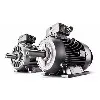
A: Although the motor itself is a driving mechanism that can be used to provide power for another device, the pump is a mechanical equipment that requires the drive mechanism to play a role. The motor uses electrical energy to generate mechanical energy, while the Rice Brich pump uses mechanical energy to do it.
Q: Where are pumps commonly used?
A: Pumps are used in a variety of industries and applications, including water treatment, HVAC (heating, ventilation, and air conditioning), agriculture for irrigation, oil and gas extraction, and manufacturing processes involving fluids. They are also used in household appliances like washing machines and dishwashers.
Q: How do I choose the right pump for my application?
A: To choose the right pump, consider factors such as the type of fluid being pumped (liquids, gases, or slurries), the flow rate required, the pressure head needed, the temperature of the fluid, and the specific application requirements. Consulting with a pump manufacturer or supplier can help in selecting the most suitable pump.
Q: What are some common problems with pumps and how can they be addressed?
A: Common problems with pumps include clogging, low efficiency, leaks, and mechanical failures. Clogging can often be prevented by proper filtration; low efficiency can be improved by regular maintenance and checking for wear and tear; leaks can be repaired with appropriate gaskets and seals; and mechanical failures usually require professional service or replacement parts.
Q: How can I prolong the life of my pump?
A: Proper maintenance is key to extending the life of a pump. This includes routine inspections, timely replacement of worn-out parts, and keeping the pump clean and free from debris. Regular lubrication of moving parts and adherence to the manufacturer's recommended operating guidelines also help ensure long-term reliability.
Q: Are there any safety considerations when using pumps?
A: Yes, there are several safety considerations. Always ensure that the pump is installed correctly and that all connections are secure to prevent leaks. When working with pumps, wear appropriate personal protective equipment (PPE), such as gloves, safety glasses, and hearing protection if the pump is loud. Follow lockout/tagout procedures to ensure the pump is de-energized during maintenance.
Q: How efficient are pumps, and how can their efficiency be improved?
A: Pump efficiency can vary depending on the type and condition of the pump. Improving efficiency often involves optimizing the pump design for the specific application, reducing friction losses, and minimizing the number of elbows and valves in the piping system. Using energy-efficient motors and implementing variable frequency drives (VFDs) can also enhance pump efficiency.
Q: Can pumps be automated, and what are the benefits of automation?
A: Yes, pumps can be automated through the use of controllers, sensors, and software. Automating pumps provides several benefits, including remote monitoring and control, reduced labor costs, consistent performance, and immediate adjustment to changing demand conditions. Automation can also improve safety by allowing for proactive management of pump operations.
Q: How do I dispose of an old pump responsibly?
A: Responsible disposal of an old pump involves following local regulations regarding electronic waste (e-waste). Many communities have e-waste recycling programs where old pumps can be dropped off. Alternatively, some manufacturers or suppliers offer take-back programs for their products at the end of their life cycle. It's important to drain any remaining fluid and clean the pump before disposal to minimize environmental impact.
As one of the leading pump manufacturers in China, we warmly welcome you to buy high-grade pump from our factory. All equipment are with high quality and competitive price. Contact us for more details.