

What is Vertical Pump
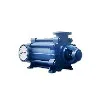
A vertical pump is a type of centrifugal pump that features a vertically oriented design, with the motor positioned above the pump. Unlike horizontal pumps, where the motor is typically located alongside the pump, vertical pumps have a space-saving and compact configuration. These pumps are commonly used in applications where floor space is limited, or when the pump needs to lift fluids from lower to higher elevations. Vertical pumps are prevalent in various industries, including water and wastewater treatment, oil and gas, power generation, and chemical processing. Their design allows for efficient pumping of liquids in situations where a vertical configuration is more practical or operationally advantageous.
Advantages of Vertical Pump
Space efficiency:Vertical pumps are known for their space-efficient design. Unlike horizontal pumps, vertical pumps are installed vertically, requiring less horizontal floor space. This makes them particularly suitable for applications where space is limited, allowing for more flexible installation arrangements in crowded industrial environments.
Ease of maintenance:Vertical pumps often have a more accessible and straightforward design, facilitating easier maintenance. The vertical orientation allows for simpler inspection and maintenance procedures without the need for extensive disassembly. This can result in shorter downtime during maintenance activities, minimizing disruptions to production processes.
Stability and alignment:Vertical pumps are inherently more stable due to their vertical configuration. The design ensures better alignment of the pump shaft and impeller, reducing the likelihood of misalignment issues that can lead to wear and tear. This enhanced stability contributes to improved reliability and longer pump life, making vertical pumps a preferred choice in certain industrial applications.
Versatility in sump applications:Vertical pumps are well-suited for sump applications where liquids need to be pumped from a lower reservoir or pit. The vertical design allows the pump to be submerged directly into the liquid, eliminating the need for complex suction piping. This feature makes vertical pumps ideal for applications such as drainage, wastewater treatment, and various industrial processes involving liquid transfer from lower elevations.


Why Choose US
Professional team:Our professional team collaborate and communicate effectively with one another, and are committed to delivering high-quality results. They are capable of handling complex challenges and projects that require their specialized expertise and experience.
Innovation:We are dedicated to improving our systems continually, ensuring that the technology we offer is always cutting edge.
One stop solution:We can offer a range of services, from consultation and advice to product design and delivery. It is a convenience for the customers, as they can get all the help they need in one place.
24h online service:We try and respond to all concerns within 24 hours and our teams are always at your disposal in case of any emergencies.
Types of Vertical Pump
Vertical centrifugal pump
A centrifugal pump is designed for handling the corrosive fluids involved in waste treatment, sump draining, tank transfer, agitation, wet process, and other industrial applications. It transports fluids by the conversion of rotational kinetic energy to the hydrodynamic energy of the fluid flow. This type of rotational energy typically comes from an engine or electric motor. Fluids enter the rapidly rotating impeller along its axis and are cast out through centrifugal force along its circumference through the impeller's vane tips. This action by the impeller increases the fluid's velocity and pressure and also directs it toward the pump outlet. The pump casing is designed to constrict fluid from the pump inlet, direct it into the impeller, then slow and control the fluid before discharge.
Vertical submersible pump
A submersible pump, also known as a well pump, is a device that has a hermetically sealed motor close-coupled to the pump body. It works similarly to other types of centrifugal pumps but can be submerged entirely in the water. They are often used for liquids far underground, such as in sewage services. A unique feature of this pump is that it pushes the water towards the surface instead of pulling it. Another advantage of using a vertical submersible pump is the reduced noise level from being far below ground and underwater.
Vertical turbine pump
Vertical turbine pumps, also known as vertical pumps or line shaft pumps, are centrifugal pumps commonly used to transport water from deep underground pits or wells. They consist of a motor, discharge head, one or more pipe columns, line shaft, pump shaft, multiple bowls, impellers, and a suction bell. They are designed to move water from underground wells or reservoirs and are commonly used around clean water applications that require high-pressure and high-head applications but have a wide range of these pumps for many industries and applications.
Vertical sump pump
Vertical sump pumps are vertically suspended single casing pumps with separated discharge, semi-open, or enclosed impellers designed for wet pit applications. The pump has a separate discharge pipe and a support pipe column. Like the vertical turbine pumps, the pump's impellers and part of the casings are placed beneath the fluid that gets pumped, while the main power mechanism is kept above the fluid. They are intended for industrial applications to pump clean or lightly contaminated liquids, fibrous slurries, and large-solid containing liquids from the deep sump.
The working principle of a vertical pump is based on the centrifugal force generated by a rotating impeller within the pump housing. In a typical vertical pump, the impeller is mounted on a vertical shaft connected to an electric motor or an engine positioned above the pump. The pump casing surrounds the impeller, creating a volute or diffuser that guides the fluid flow. As the motor drives the impeller to rotate, the impeller blades impart kinetic energy to the liquid. The rotating impeller creates a low-pressure region at the center, causing the fluid to be drawn into the pump from the suction pipe. The centrifugal force generated by the impeller then propels the liquid outward towards the edges of the impeller and into the pump casing.
The volute or diffuser in the casing helps convert the kinetic energy into pressure energy, increasing the fluid's velocity and directing it towards the discharge port. The pressurized fluid is then forced out of the pump through the discharge pipe, where it can be directed to its intended destination, such as a storage tank, a treatment process, or another part of the system. Vertical pumps are particularly advantageous when pumping liquids from lower to higher elevations due to their space-saving design. They are commonly used in applications such as wastewater treatment, industrial processes, and municipal water supply systems. The vertical orientation allows for a more compact footprint, making them suitable for installations where horizontal space is limited.
What Are the Key Components of a Vertical Pump
Motor
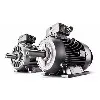
The motor is the power source that drives the vertical pump. It is typically positioned above the pump and connected to the impeller shaft. Electric motors are commonly used, but other types of motors, such as diesel engines, can also be employed depending on the application.
Impeller
The impeller is a rotating component mounted on the vertical shaft connected to the motor. It is responsible for imparting kinetic energy to the fluid by spinning, generating a centrifugal force that propels the liquid outward.
Shaft and bearings
The vertical shaft transmits the rotational force from the motor to the impeller. Bearings are employed to support the shaft, ensuring smooth rotation and minimizing friction. Proper alignment of the shaft is crucial for efficient pump operation.
Pump casing
The pump casing or housing surrounds the impeller and provides a chamber for fluid flow. It is designed to direct the flow of liquid and enhance the conversion of kinetic energy into pressure energy. The casing may have a volute or diffuser to achieve this purpose.
Suction and discharge piping
The suction pipe brings fluid into the pump from the source, and the discharge pipe directs the pressurized fluid to its intended destination. Proper design and installation of these pipes are essential for efficient fluid transfer.
Bowl assembly (for multi-stage pumps)
In multi-stage vertical pumps, the bowl assembly comprises multiple impellers stacked on the same shaft. Each impeller contributes to increasing the pressure of the fluid sequentially as it passes through the stages.
Column pipe
The column pipe is a tube that supports the shaft and extends from the pump's top to its lower end. It provides structural integrity and ensures proper alignment of the rotating components.
Check valve
Check valves are often installed in the discharge piping to prevent backflow and maintain the direction of fluid movement. They ensure that the pumped fluid moves unidirectionally.
How Does a Vertical Pump Differ from a Horizontal Pump
In a vertical pump, the motor is positioned above the pump and the shaft is oriented vertically. This design is particularly useful when space is limited, and the pump needs to lift fluids from lower to higher elevations.
In a horizontal pump, the motor and pump are typically mounted on a common horizontal axis, with the shaft running horizontally. This design is more common in applications where floor space is not a limiting factor.
Vertical pumps are space-saving and are often used in installations where horizontal space is limited. They are especially advantageous for applications where the pump needs to lift fluids vertically, such as in deep wells.
Horizontal pumps generally have a larger footprint compared to vertical pumps. They may be preferred when there is ample horizontal space available.
Common applications for vertical pumps include deep well pumping, sump pumping, and situations where fluids need to be lifted vertically. They are often used in water and wastewater treatment, industrial processes, and other environments where space constraints are a consideration.
Horizontal pumps are versatile and widely used in various industrial processes, water supply systems, and applications where fluids are moved horizontally or at a slight incline.
Vertical pumps are typically easier to access for maintenance and repair since the motor is located above the pump. This can simplify tasks such as impeller inspection and replacement.
Accessing components of a horizontal pump may require more effort, especially for components located on the side opposite the motor.
Vertical pumps are generally easier to align because the weight of the motor is directly over the pump, reducing the risk of misalignment.
Proper alignment is crucial for horizontal pumps, and misalignment can lead to increased wear and reduced efficiency. Precision is required during installation to align the pump and motor correctly.
How Does the Size and Capacity of a Vertical Pump Affect Its Performance

Size
The size of the impeller, especially the impeller diameter, significantly affects a vertical pump's performance. Larger impellers can move more fluid per revolution and generate higher head pressures. However, selecting an oversized impeller for a particular application may lead to inefficiencies at lower flow rates.The size of the pump casing, particularly the diameter and depth, influences the efficiency and hydraulic performance of the pump. Proper sizing ensures optimal flow characteristics, reducing energy losses and maintaining efficiency across a range of operating conditions.

Capacity
The capacity of a vertical pump is directly related to its flow rate, representing the volume of fluid the pump can move within a specific time. The pump's design, impeller size, and rotational speed influence its flow capacity. Selecting a pump with an appropriate flow rate is crucial to meet the system's demands without excessive energy consumption.The capacity of a pump is also expressed in terms of head pressure, indicating the pump's ability to lift fluids to a certain height. The head pressure is influenced by the pump's impeller design, rotational speed, and efficiency. It is essential to match the pump's capacity with the system's head requirements for optimal performance.

Efficiency
The size and capacity of a vertical pump directly impact its efficiency. Operating a pump at its best efficiency point (BEP) ensures optimal performance and minimizes energy consumption. Selecting a pump that aligns with the system's requirements and operates within its designed capacity range contributes to higher overall efficiency.

NPSH requirements
The Net Positive Suction Head (NPSH) requirements of a pump depend on its size and capacity. Proper consideration of NPSH is crucial to prevent cavitation, which can lead to performance degradation, damage to pump components, and reduced reliability.

System compatibility
The size and capacity of a vertical pump should match the requirements of the entire pumping system, including the piping, valves, and other system components. Mismatched capacities can lead to issues such as recirculation, increased energy consumption, and decreased pump life.
Material selection:Based on the design specifications, suitable materials are selected for various components of the pump. These materials must be compatible with the type of fluid being pumped and meet industry standards for durability and corrosion resistance.
Casting or fabrication:Depending on the pump's design, components may be cast or fabricated. Castings may involve processes like sand casting or investment casting for creating intricate shapes, while fabrication may include machining and welding for simpler components.
Machining:Machining processes are employed to refine the shape and dimensions of critical components. Computer Numerical Control (CNC) machining is commonly used to achieve precision in the manufacturing of impellers, shafts, and other parts.
Assembly:The individual components are assembled according to the design specifications. This includes attaching the impeller to the shaft, installing bearings, and assembling other pump elements. Proper alignment and fit are critical during this stage.
Testing and quality control:The assembled pump undergoes rigorous testing to ensure its performance meets the specified standards. Testing may include checking for leaks, measuring flow rates, assessing head pressure, and verifying overall efficiency. Quality control processes are in place to identify and rectify any defects or discrepancies.
Surface treatment:Surface treatments such as coating or painting may be applied to protect the pump from corrosion and enhance its aesthetic appearance. This is particularly important if the pump is intended for use in corrosive environments.
Final inspection:A final inspection is conducted to verify that the pump meets all quality and performance standards. This involves checking dimensions, clearances, and the functionality of critical components. The pump is then prepared for shipment or installation.
The Application Field of vertical pumps
Water and wastewater treatment
Vertical pumps are commonly used in water treatment plants for applications such as lifting water from wells, boosting water pressure, and transferring treated water. In wastewater treatment, they can be employed for pumping sewage and effluent.
Mining industry
Vertical pumps play a vital role in the mining sector, where they are used for dewatering applications, handling abrasive slurry, and transferring liquids involved in mineral processing.
Oil and gas industry
Vertical pumps are utilized in oil and gas operations for lifting crude oil from wells, transporting various fluids within refineries, and managing water injection processes for enhanced oil recovery.
Chemical processing
The chemical industry often employs vertical pumps for transferring chemicals, acids, and other corrosive liquids. Vertical pumps with corrosion-resistant materials are selected to ensure compatibility with the chemicals being handled.
Power generation
Vertical pumps are utilized in power plants for various applications, including boiler feedwater, condensate extraction, cooling water circulation, and handling chemical additives for emissions control.
Agriculture
In agriculture, vertical pumps are used for irrigation, lifting water from wells, and transferring water within irrigation systems. They play a crucial role in ensuring efficient water distribution in farming operations.
What Are the Safety Measures to Take When Operating a Vertical Pump
Personal protective equipment (PPE)
Mandate the use of appropriate personal protective equipment, including safety goggles, gloves, hearing protection, and any other gear recommended by the manufacturer or required by safety regulations.
Emergency shutdown procedures
Establish and communicate clear emergency shutdown procedures for the vertical pump system. Operators should be trained on how to quickly and safely shut down the pump in case of emergencies or abnormal operating conditions.
Lockout/tagout procedures
Implement lockout/tagout procedures to ensure that the pump is de-energized and safely isolated before performing maintenance, inspections, or any work on the pump system. This helps prevent accidental start-ups.
Ventilation and fume extraction
Ensure proper ventilation in areas where vertical pumps are operated, especially if they handle volatile or hazardous substances. Install fume extraction systems to minimize exposure to potentially harmful vapors.

Material compatibility
Verify that the materials used in the construction of the pump, seals, and gaskets are compatible with the specific chemicals being pumped. Incompatible materials can lead to corrosion, leaks, or other safety hazards.
Grounding and bonding
Implement proper grounding and bonding measures to prevent static electricity buildup, especially when handling flammable or combustible fluids. This reduces the risk of sparks that could lead to fires or explosions.
Regular inspection and maintenance
Establish a routine inspection and maintenance schedule for the vertical pump. Regularly check for signs of wear, leaks, and any abnormal conditions. Promptly address any issues to prevent them from escalating into safety hazards.
Safety labels and signage
Affix appropriate safety labels and signage on the pump and in the surrounding area. Clearly indicate potential hazards, emergency shutdown procedures, and other relevant safety information.
Alignment
Ensure proper alignment of the pump and motor. Misalignment can lead to vibration, increased wear, and reduced efficiency. Use precision instruments to align the pump and motor shafts according to the manufacturer's specifications.
Foundation and mounting
Set up a stable foundation or mounting platform for the pump and motor. Follow the manufacturer's recommendations for foundation design and ensure that the pump is securely anchored to prevent movement during operation.
Check rotation direction
Verify the rotation direction of the pump impeller. Ensure that it aligns with the desired flow direction in the system. Incorrect rotation can lead to reduced efficiency and potential damage to the pump.
Piping installation
Install the suction and discharge piping according to the pump specifications. Use materials that are compatible with the fluid being pumped. Include isolation valves, check valves, and any other required accessories in the piping system.
Sealing and gaskets
Install proper seals and gaskets to prevent leaks. Ensure that the seals are compatible with the fluid being handled. Follow the manufacturer's guidelines for seal installation and adjustment.
Electrical connections
Connect the pump motor to the electrical power supply following local electrical codes and safety standards. Ensure that the electrical components, such as wires, conduits, and connectors, are in good condition.
Grounding
Implement proper grounding to prevent static electricity buildup. This is particularly important when handling flammable or combustible fluids.
Start-up procedure
Gradually start the pump and monitor its performance. Check for any unusual noise, vibrations, or leaks. Follow the recommended start-up procedures provided by the manufacturer.
Testing
Conduct thorough testing of the pump under normal operating conditions. Verify that it meets the specified flow rates and pressure requirements. Monitor the pump's performance and address any issues promptly.
How to Choose Vertical Pump
Type of vertical pump
Different types of vertical pumps are designed for specific applications. Common types include vertical turbine pumps, vertical submersible pumps, and vertical sump pumps. Choose a pump type that aligns with your application's needs.
Material compatibility
Consider the materials used in the construction of the pump, including the impeller, casing, shaft, and seals. Ensure that these materials are compatible with the type of fluid being pumped to prevent corrosion and deterioration.
Efficiency and performance
Assess the pump's efficiency and performance characteristics. Look for pump curves provided by the manufacturer, indicating the pump's performance across various flow rates and head pressures. Select a pump that meets the required performance parameters for your system.
NPSH requirements
Consider the Net Positive Suction Head (NPSH) requirements of the pump. Ensure that the available NPSH at the pump inlet exceeds the required NPSH to prevent cavitation, which can lead to performance issues and damage.
Pump size and capacity
Choose a pump size and capacity that align with your application's needs. Ensure that the pump can handle the expected flow rates and head pressures while operating within its specified range.
Reliability and maintenance
Assess the pump's reliability and ease of maintenance. Consider factors such as the design of seals and bearings, accessibility for maintenance tasks, and the availability of spare parts. A pump with a design that simplifies maintenance can contribute to long-term reliability.
Daily Inspection Checklist for Vertical Pump
Check for vibrations
Monitor for abnormal vibrations during operation. Excessive vibrations can indicate misalignment, worn bearings, or other mechanical issues. Use vibration analysis tools if necessary and compare the readings against established baseline values.
Inspect seals and gaskets
Examine the seals and gaskets for signs of wear, damage, or leakage. Proper sealing is critical to prevent fluid leaks and maintain pump efficiency. Replace any damaged seals or gaskets promptly.
Verify lubrication
Check the lubrication system, if applicable, to ensure that bearings and other moving parts are adequately lubricated. Inspect oil levels, grease points, and the condition of lubricants. Top up or replace lubricants as needed.
Listen for unusual noises
Listen for any unusual noises during pump operation. Unusual sounds could indicate issues with bearings, impeller, or other components. Address any unusual noises promptly to prevent further damage.
Check motor and electrical components
Inspect the motor and electrical components for any signs of overheating, unusual smells, or abnormalities. Check electrical connections, wiring, and motor performance. Address any electrical issues immediately to avoid potential hazards.
Certifications


Our Factory
HNYB PUMPS has advanced production equipment,perfect testing means,with a high-quality talent team.Production of a variety of products,complete specifications,under the guidance of the"everything for the customer"policy,the company is constantly forging ahead,innovative development,in the long-term practice has formed a complete set of quality management system,and equipped with excellent technical installation and debugging after-sales service team,really eliminate the troubles for you.


FAQ
Q: What is a vertical pump?
Q: How does a vertical pump work?
Q: What are some common applications of vertical pumps?
Q: What are the advantages of vertical pumps over other types of pumps?
Q: What are some common problems with vertical pumps and how can they be fixed?
Q: How do I maintain my vertical pump?
Q: What should I consider when selecting a vertical pump?
Q: Can vertical pumps be installed outdoors?
Q: Are vertical pumps noisy during operation?
Q: What is the typical lifespan of a vertical pump?
Q: Why pumps are placed vertically?
Q: Where are vertical pumps commonly used?
Q: What are the key advantages of using a vertical pump?
Q: Can vertical pumps handle abrasive or corrosive fluids?
Q: What are sump applications, and why are vertical pumps suitable for such scenarios?
Q: How do you determine the right size of a vertical pump for a specific application?
Q: Can vertical pumps handle high-pressure applications?
Q: Are there any considerations for installing vertical pumps?
Q: How often should vertical pumps undergo maintenance, and what does maintenance involve?
Q: Can vertical pumps be used for continuous operation?
As one of the leading vertical pump manufacturers in China, we warmly welcome you to buy high-grade vertical pump from our factory. All equipment are with high quality and competitive price. Contact us for more details.