

What is Multistage Pump
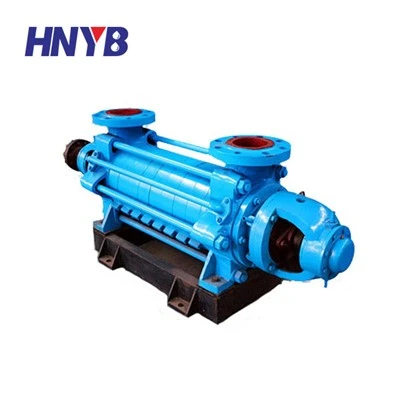
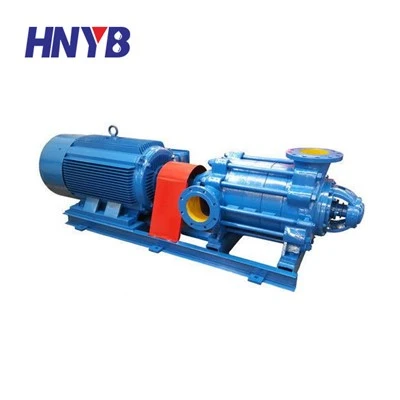
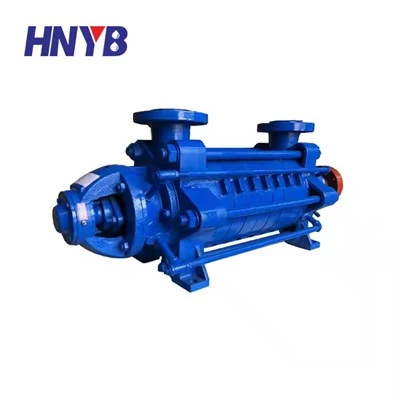
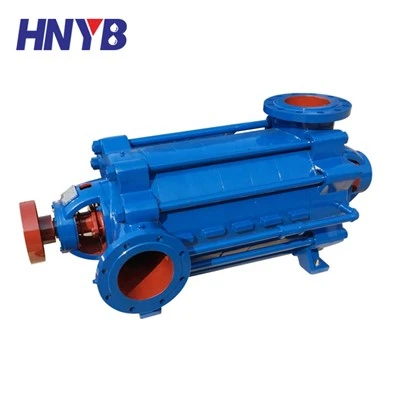
A multistage pump is a type of centrifugal pump designed to generate higher pressure levels by incorporating multiple impellers within a single pump housing. Each impeller, mounted on a common shaft, adds energy to the fluid being pumped, increasing its pressure. This sequential arrangement of impellers enables multistage pumps to effectively overcome the limitations of single-stage pumps when higher head (pressure) requirements are necessary. Multistage pumps find extensive use in applications such as water supply, irrigation, boiler feed systems, and industrial processes where the demand for elevated pressure levels is essential. Their ability to efficiently handle varying pressure needs makes them versatile and well-suited for a wide range of industries and applications.
Advantages of Multistage Pump
High pressure capability:One of the primary advantages of multistage pumps is their ability to generate high levels of pressure. By incorporating multiple impellers in a series, each impeller adds energy to the fluid, allowing the pump to achieve significantly higher pressure levels compared to single-stage pumps. This makes multistage pumps ideal for applications where elevated pressure is a requirement, such as in boiler feed systems or high-pressure water supply.
Efficiency in high-head applications:Multistage pumps are highly efficient in applications that demand high heads, where the fluid needs to be pumped to a considerable height. The staged impellers work together to incrementally increase the pressure, resulting in improved overall efficiency. This efficiency is particularly advantageous in industries such as water distribution, where water must be pumped over long distances and to elevated locations.
Compact design and space efficiency:Multistage pumps often feature a more compact design compared to single-stage pumps with similar head capabilities. The stacked impellers allow for a higher pressure rise within a single pump housing, reducing the overall footprint of the pump system. This compactness is advantageous in installations with space constraints or where a streamlined and space-efficient design is desired.
Versatility across industries:Multistage pumps find versatility across various industries and applications due to their capability to handle a wide range of pressures. They are commonly used in water supply and distribution, industrial processes, irrigation systems, and power generation for boiler feed. Their ability to efficiently cater to diverse pressure requirements makes multistage pumps a preferred choice in different sectors.



Why Choose US
Professional team:Our professional team collaborate and communicate effectively with one another, and are committed to delivering high-quality results. They are capable of handling complex challenges and projects that require their specialized expertise and experience.
Innovation:We are dedicated to improving our systems continually, ensuring that the technology we offer is always cutting edge.
One stop solution:We can offer a range of services, from consultation and advice to product design and delivery. It is a convenience for the customers, as they can get all the help they need in one place.
24h online service:We try and respond to all concerns within 24 hours and our teams are always at your disposal in case of any emergencies.
Types of Multistage Pump
Horizontal multistage centrifugal pump
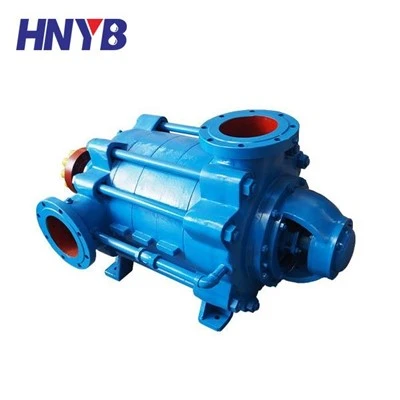
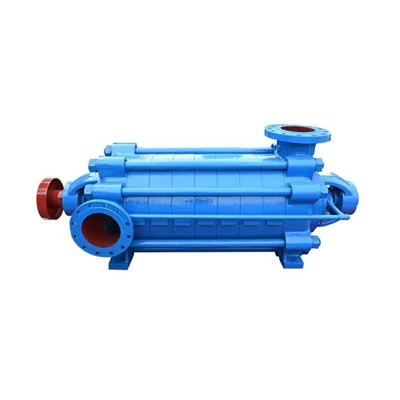
This type of pump features a horizontal orientation, where multiple impellers are arranged in series along a horizontal shaft. It is suitable for applications requiring moderate to high-pressure levels, such as water supply, industrial processes, and boiler feed systems. The horizontal design allows for easy installation and maintenance.
Vertical multistage centrifugal pump
In a vertical multistage pump, impellers are stacked vertically along the pump shaft. This design is space-efficient, making it suitable for installations with limited floor space. Vertical multistage pumps are commonly used in applications such as water boosting, irrigation, and high-rise building water supply systems.
Axial split case multistage pump
Axial split case multistage pumps have a horizontally split casing that allows easy access to the impellers and other internal components. This design simplifies maintenance and repairs. These pumps are often utilized in industrial processes, water distribution, and other applications requiring high-pressure capabilities.
Submersible multistage pump
Submersible multistage pumps are designed to be submerged in the fluid they are pumping, often in wells or underground reservoirs. These pumps are suitable for deep well water extraction, irrigation, and other applications where the pump needs to operate below the water surface. The submersible design helps prevent cavitation and provides efficient water lifting in deep installations.
A multistage pump operates on the principle of sequentially boosting the pressure of a fluid by passing it through multiple impellers arranged in series along a common shaft. Each impeller contributes to the overall energy transfer, resulting in a significant increase in pressure as the fluid passes through the pump.
The process begins with the fluid entering the first-stage impeller, often referred to as the low-pressure or inlet stage. The rotating impeller imparts kinetic energy to the fluid, causing it to move outward. As the fluid moves axially, it is directed into the next impeller stage. Subsequent impellers continue to add energy to the fluid, further elevating its pressure. The number of impellers in the pump determines the number of stages, and each stage contributes incrementally to the overall pressure rise.
The efficiency of multistage pumps lies in their ability to divide the work of pressure increase among the various impellers. The staged arrangement ensures that each impeller handles a portion of the total pressure, reducing the load on individual components and enhancing overall pump efficiency. This staged approach is particularly beneficial when the pump needs to generate high pressures that a single impeller might struggle to achieve.
Once the fluid has traversed all the stages, it exits the pump at a significantly higher pressure than when it entered. This pressurized fluid is then directed to the intended application, whether it be water distribution, industrial processes, irrigation, or other high-pressure systems.
What Are the Multistage Pumpp Parts
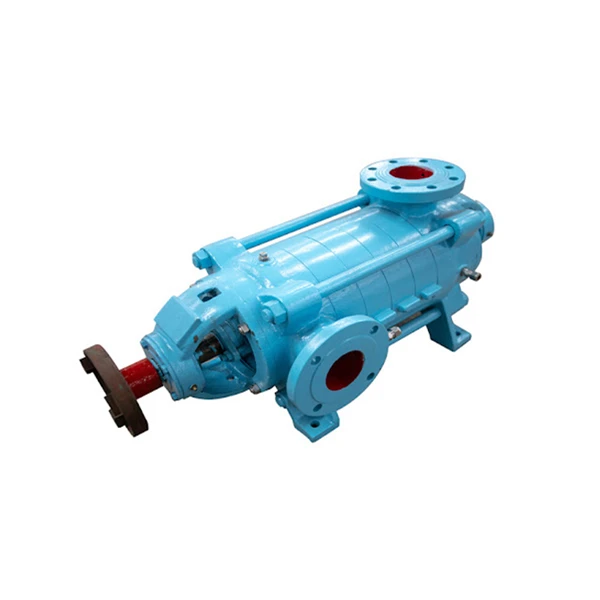
Impellers
Impellers are rotating blades that impart kinetic energy to the fluid as it enters the pump. In a multistage pump, there are multiple impellers arranged in series along the pump shaft. Each impeller contributes to the energy transfer, allowing for a staged increase in pressure.
Casing
The casing is the outer housing that encloses the impellers and provides structural support to the pump. In multistage pumps, the casing is designed to accommodate the sequential arrangement of impellers. The casing is crucial for maintaining the alignment of impellers and ensuring efficient fluid flow.
Shaft
The pump shaft connects all the impellers and transmits the rotational motion from the driver (such as an electric motor or engine) to the impellers. It plays a critical role in ensuring that the energy generated by the impellers is transferred smoothly through the entire pump.
Diffusers
Diffusers are stationary components located between each impeller stage. They help convert the kinetic energy generated by the impellers into pressure energy. Diffusers are designed to guide the fluid flow and optimize the efficiency of the pressure conversion process as the fluid moves from one impeller stage to the next.
Wear rings and bearings
Wear rings are often installed between the impellers and the casing to minimize friction and wear, ensuring smooth rotation. Bearings support the pump shaft and help maintain its alignment. Proper lubrication of bearings is essential for reducing friction and enhancing the overall lifespan of the pump.
Seals
Seals are used to prevent fluid leakage at various points within the pump. Shaft seals, such as mechanical seals or gland packing, are critical for preventing fluid from escaping along the shaft. Proper sealing is essential to maintain the pump's efficiency and prevent environmental contamination.
What Is the Difference Between Vertical Multilevel Pump and Horizontal Multilevel Pump

Orientation
Vertical multistage pump: In a vertical multistage pump, impellers are stacked vertically along the pump shaft. This design allows the pump to be installed in a vertical position, making it suitable for applications with limited floor space or where a compact footprint is desired.
Horizontal multistage pump: In contrast, a horizontal multistage pump has impellers arranged horizontally along the shaft. This design is more traditional and is often employed in applications where a vertical installation is not practical or when the pump needs to be integrated into existing horizontal piping systems.
Space efficiency
Vertical multistage pump: The vertical design of these pumps makes them space-efficient, particularly in installations with height restrictions. They are commonly used in settings like high-rise buildings where a compact footprint is essential.
Horizontal multistage pump: Horizontal multistage pumps may require more floor space due to their horizontal orientation. While they are suitable for various applications, they may not be as space-efficient as their vertical counterparts.


Ease of maintenance
Vertical multistage pump: Vertical pumps often offer easier access to components for maintenance and repair. The vertical configuration simplifies the inspection and replacement of impellers, seals, and bearings.
Horizontal multistage pump: Horizontal pumps may require more effort for maintenance due to their layout. Accessibility to internal components may be slightly more challenging, particularly if space is limited.
Applications
Vertical multistage pump: Vertical multistage pumps are commonly used in applications such as water supply systems for tall buildings, irrigation, and deep well water extraction. Their space-efficient design makes them suitable for installations where a vertical layout is advantageous.
Horizontal multistage pump: Horizontal multistage pumps find applications in various industries, including water distribution, industrial processes, and HVAC systems. Their design is well-suited for integration into horizontal piping systems.

As the names imply, the key difference between the two is the number of impellers (also known as stages). Single-stage centrifugal pumps have only one impeller. On the other hand, multistage pumps have two or more impellers.
The impeller plays a crucial role in the operation of a centrifugal pump. It pressurizes and transfers the fluid/liquid. Since multistage pumps have more than one impeller, the flow rate and pressure ranges in a multistage are more efficient than single-stage pumps.
Inside a multistage pump, each impeller acts like a stand-alone single-stage centrifugal pump. Hence, it works like a chain of single-stage pumps connected linearly. As the liquid moves from one stage to the next, the pressure rises while the flow remains constant.
As a result, multistage centrifugal pumps generate higher power and higher pressure with small motors, thereby using less energy.
Application of Multistage Pump
Water treatment and distribution
Multistage centrifugal pumps are commonly employed in water treatment plants and distribution systems. These pumps effectively boost water pressure for municipal water supply networks, ensuring reliable and consistent delivery to households and industrial facilities. Their ability to handle high heads makes them ideal for overcoming the challenges associated with elevated terrains.
Boiler feed systems
Industries relying on steam generation, such as power plants and manufacturing facilities, often use multistage pumps for boiler feed systems. These pumps provide pressurized water to boilers, facilitating efficient steam production. The staged impellers of multistage pumps are well-suited for achieving the elevated pressures required in boiler feed applications.
Oil and gas processing
Multistage pumps play a crucial role in the oil and gas industry, particularly in processes like crude oil transportation and refinery operations. They are employed for boosting the pressure of fluids at various stages of the production and refining processes. Their reliability and efficiency contribute to the seamless flow of liquids within these intricate systems.
Chemical processing
Industries involved in chemical manufacturing often rely on multistage pumps for fluid transfer in processing units. These pumps are designed to handle a diverse range of chemicals and maintain precise pressure levels required for various chemical reactions and manufacturing processes. Their efficiency and resistance to corrosion make them suitable for such demanding applications.
Power generation
Power plants, both conventional and renewable, utilize multistage pumps for various purposes. In hydroelectric power generation, these pumps assist in lifting water to high elevations, contributing to the efficiency of the power generation process. In nuclear and fossil fuel power plants, multistage pumps are employed for cooling systems and other critical fluid-handling tasks.
Mining operations
Multistage pumps play a vital role in the mining industry for dewatering operations, transporting slurry, and ensuring the efficient circulation of water within mines. Their robust design and ability to handle abrasive fluids make them well-suited for the challenging conditions encountered in mining applications.
Which Type of Multistage Pump Is More Commonly Used in Industry
In the industrial landscape, the horizontal multistage centrifugal pump stands out as one of the most commonly used types. Its widespread adoption can be attributed to several factors that align with the diverse needs of industrial applications. Horizontal multistage pumps are preferred in various industries for their versatility, ease of integration into existing horizontal piping systems, and efficient handling of high-pressure requirements.
These pumps find extensive use in water supply and distribution systems, where they effectively boost water pressure for industrial processes, municipal supply networks, and building services. The ability of horizontal multistage pumps to handle high heads makes them invaluable in overcoming challenges related to elevations and distances in fluid transfer.
Furthermore, industries with demanding fluid transport requirements, such as chemical processing plants and refineries, frequently rely on horizontal multistage pumps. Their robust construction, coupled with the staged impeller design, allows for the precise control of pressure levels essential for various chemical reactions and manufacturing processes. Additionally, these pumps are well-suited for applications in power generation, including both conventional and renewable energy sectors, where they contribute to efficient fluid circulation and system performance.
Horizontal multistage pumps are also prevalent in mining operations, assisting in dewatering processes, slurry transportation, and maintaining optimal water circulation within mining sites. Their durability and capacity to handle abrasive fluids make them a preferred choice for the challenging conditions encountered in mining applications.
Working Principle of Multistage Pump
The working principle of a multistage pump revolves around the sequential imparting of energy to a fluid to achieve a substantial increase in pressure. This pump configuration typically consists of multiple impellers arranged in series along a common shaft. As the fluid enters the first-stage impeller, it undergoes a kinetic energy transfer, causing it to move outward. The fluid then passes through subsequent impeller stages, with each impeller adding more energy and elevating the pressure further. The staged arrangement ensures that the pressure increase is distributed across multiple impellers, enhancing overall efficiency. By the time the fluid traverses all the stages, it exits the pump at a significantly higher pressure than when it entered. This working principle makes multistage pumps particularly suitable for applications requiring the efficient generation of high pressures, such as water supply, industrial processes, and boiler feed systems.
Materials Used in Multistage Pump
Cast Iron
Cast iron is commonly used for the casing and impeller of multistage pumps due to its excellent strength and durability. It provides robustness to the pump structure, ensuring long-term reliability.
Stainless steel
Stainless steel is often employed for components like impellers, diffusers, and wear rings. Its corrosion resistance is crucial in handling diverse fluids, especially those with corrosive properties, making the pump suitable for a wide range of applications.
Bronze or brass
Bronze or brass may be utilized for components like bushings and sleeve bearings. These materials offer good wear resistance and are suitable for applications where lubrication may be a challenge or where there is potential for abrasive particles in the fluid.
Ceramic
Ceramic materials are used in multistage pump components, such as bearings and shaft sleeves, to enhance wear resistance and reduce friction. This is particularly beneficial in high-speed pumps and applications involving abrasive fluids.
Carbon steel
Carbon steel is commonly employed for the pump shaft due to its strength and ability to withstand the mechanical stresses associated with pumping operations. It is often coated or treated to enhance corrosion resistance.
Engineering plastics
Some components, such as casing wear rings and bushings, may be made from engineering plastics like polyethylene or polytetrafluoroethylene (PTFE). These materials provide good chemical resistance and reduce the risk of galling or seizing in dynamic parts of the pump.

How to Choose Multistage Pump
Required flow rate and pressure
Identify the specific flow rate and pressure requirements of your application. Determine the amount of fluid (in liters or gallons per minute) and the desired pressure (in psi or bar) that the pump needs to deliver. This information is crucial for selecting a multistage pump with the appropriate capacity and head.
Fluid characteristics
Consider the characteristics of the fluid being pumped, including its temperature, viscosity, and corrosiveness. Different pump materials and configurations may be required based on the nature of the fluid. For corrosive or abrasive fluids, materials like stainless steel may be preferred for enhanced durability and resistance.
Application type
Evaluate the specific application for which the multistage pump will be used. Different industries and applications have varying requirements. For instance, pumps used in water supply systems may have different specifications compared to those used in industrial processes or boiler feed applications. Choose a pump that is tailored to your industry's needs.
Pump configuration
Decide between a horizontal or vertical multistage pump configuration based on space availability and installation requirements. Vertical pumps are space-efficient and suitable for applications with height restrictions, while horizontal pumps are often more traditional and may be preferable in certain setups.
Efficiency
Consider the efficiency of the multistage pump, as higher efficiency generally leads to lower operating costs. Look for pump models with energy-efficient designs and technologies.
How to Install Multistage Pump
Begin by selecting an appropriate location for the pump installation. Ensure the site is well-ventilated, easily accessible for maintenance, and complies with safety regulations. Prepare a stable foundation that meets the manufacturer's specifications. Proper site preparation is crucial for the pump's stability and overall performance.
Accurate alignment and leveling are critical for the smooth operation of a multistage pump. Use precision tools to align the pump shaft with the driver (such as an electric motor or engine) and ensure the pump is level. Proper alignment minimizes wear on bearings and components, optimizing performance and extending the pump's lifespan.
Connect the inlet and outlet piping according to the pump specifications. Use appropriate fittings, seals, and gaskets to prevent leaks. Pay attention to the flow direction, and properly support the piping to avoid unnecessary stress on the pump and associated components. Ensure that the system is properly primed if required for the specific pump type.
If the pump is motor-driven, make the electrical connections following the motor manufacturer's guidelines and local electrical codes. Ensure that the motor is adequately sized for the pump and that all electrical components are properly grounded. Check the rotation direction of the pump and motor to ensure they match.
Install and properly seal any necessary packing or mechanical seals as per the manufacturer's recommendations. Lubricate bearings and other moving parts with the specified lubricants. Follow the recommended procedures for priming the pump, if applicable, to ensure proper lubrication and eliminate air from the system.
What You Should Know When Use Multistage Pump
Operating conditions and parameters
Understand the specific operating conditions and parameters of your application. This includes knowing the required flow rate, pressure head, and fluid properties. Adhering to the recommended operating parameters outlined by the pump manufacturer is crucial for optimal performance. Avoid operating the pump outside the specified range to prevent potential damage and reduce the risk of failure.
Regular maintenance and inspection
Implement a routine maintenance schedule for the multistage pump. Regularly inspect impellers, seals, bearings, and other critical components for signs of wear, corrosion, or damage. Perform preventive maintenance tasks such as lubrication, alignment checks, and seal replacements according to the manufacturer's guidelines. Proactive maintenance helps prevent unexpected breakdowns and ensures the pump operates at peak efficiency.
Cavitation prevention
Be vigilant in preventing cavitation, a phenomenon that occurs when the pump's suction pressure drops below the vapor pressure of the fluid. Cavitation can lead to damage to impellers and other components. Maintain the required Net Positive Suction Head (NPSH) by ensuring proper pump installation, avoiding excessive suction lift, and addressing any system restrictions. Implementing measures to control cavitation is essential for the pump's longevity and performance.
System controls and protections
Install appropriate controls and protections to safeguard the multistage pump and the overall system. Utilize pressure switches, flow sensors, and temperature monitors to detect abnormal conditions. Implement emergency shutdown procedures in case of pump malfunctions or system issues. Properly configure and monitor the pump's operating parameters to ensure safe and reliable operation.
How to Lubricate Multistage Pump
Select appropriate lubricants
Different components may require specific types of lubricants, such as oils or greases with appropriate viscosity and additives. Consider factors such as temperature, load, and the nature of the fluid being pumped when selecting lubricants.
Lubricate bearings and seals
Focus on lubricating key components, especially bearings and seals. Apply the recommended lubricant to the pump bearings at regular intervals according to the manufacturer's guidelines. Ensure that the lubrication extends to the seals to maintain their effectiveness in preventing fluid leakage. Proper lubrication of bearings is essential for minimizing friction and ensuring smooth rotation of the pump shaft.
Establish a regular lubrication schedule
Implement a routine lubrication schedule based on the operating hours or cycles of the pump. Regularly inspect and monitor the condition of lubricants, and replenish or replace them as needed. Adhering to a consistent lubrication schedule helps prevent wear, reduces the risk of component failures, and contributes to the overall reliability of the multistage pump.
How to Maintain Multistage Pump

Regular inspection and monitoring
Implement a routine inspection schedule to visually examine the pump and its components. Check for signs of wear, corrosion, or leaks. Monitor key performance parameters such as flow rates, pressure levels, and temperature. Regular inspections help identify potential issues early, allowing for timely intervention and preventing major problems.
Lubrication management
Follow the manufacturer's recommended lubrication schedule and use the specified lubricants. Proper lubrication is essential for reducing friction, preventing wear on moving parts, and ensuring smooth operation. Regularly check and replenish lubricants as needed, paying special attention to bearings, seals, and other critical components.
Seal and gasket inspection
Periodically inspect seals and gaskets for wear, deterioration, or leaks. Seals play a vital role in preventing fluid leakage, and gaskets ensure proper sealing between pump components. Replace worn or damaged seals promptly to maintain efficiency and prevent potential environmental hazards. Properly functioning seals and gaskets contribute to the overall reliability of the pump.
Performance calibration and efficiency checks
Conduct periodic performance calibration checks to ensure that the pump is operating within specified parameters. Monitor energy consumption and efficiency to identify any deviations from the expected performance. If the pump's efficiency declines over time, it may indicate issues such as worn impellers or misalignment. Addressing these issues promptly can optimize the pump's performance and extend its operational life.
Certifications


Our Factory
HNYB PUMPS has advanced production equipment,perfect testing means,with a high-quality talent team.Production of a variety of products,complete specifications,under the guidance of the"everything for the customer"policy,the company is constantly forging ahead,innovative development,in the long-term practice has formed a complete set of quality management system,and equipped with excellent technical installation and debugging after-sales service team,really eliminate the troubles for you.


FAQ
Q: What is a multistage pump, and how does it differ from a single-stage pump?
Q: Where are multistage pumps commonly used?
Q: How does the design of a multistage pump contribute to increased pressure?
Q: What materials are commonly used in the construction of multistage pumps?
Q: Can multistage pumps handle different types of fluids, including corrosive or abrasive substances?
Q: What is the significance of the number of stages in a multistage pump?
Q: Are multistage pumps energy-efficient?
Q: How do multistage pumps contribute to boosting water pressure in buildings?
Q: Can multistage pumps handle variable flow rates?
Q: What maintenance considerations are associated with multistage pumps?
Q: Are there specific safety measures associated with operating multistage pumps?
Q: Can multistage pumps be used for agricultural irrigation?
Q: How does the efficiency of a multistage pump impact operating costs?
Q: Can multistage pumps be used for desalination processes?
Q: Are there considerations for installing multistage pumps in offshore applications?
Q: Can multistage pumps be operated with variable frequency drives (VFDs)?
Q: What is the role of a pressure switch in multistage pump systems?
Q: Can multistage pumps handle hot liquids or fluids at elevated temperatures?
Q: How do multistage pumps contribute to the efficiency of industrial boiler systems?
Q: Can multistage pumps be used for wastewater treatment applications?
Henan Yibeng Pump Industry Co., Ltd. is one of the leading multistage pump manufacturers and suppliers in China. We warmly welcome you to buy high-grade multistage pump from our factory. All equipment are with high quality and competitive price. Contact us for more details.