

What is Axial Flow Pump
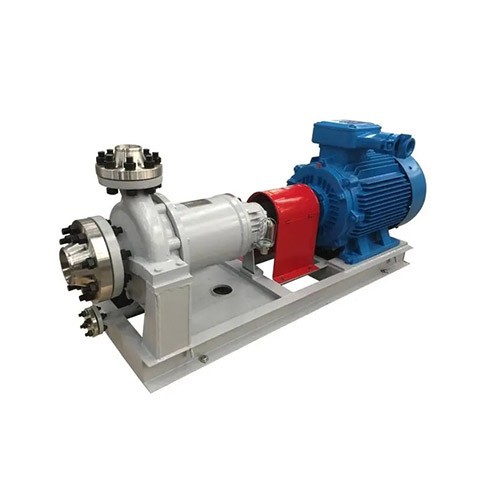
An axial flow pump is a type of centrifugal pump designed to move fluid parallel to the pump shaft, in contrast to traditional centrifugal pumps that move fluid perpendicular to the pump shaft. Also known as a propeller pump, the axial flow pump propels fluid by using a rotating impeller with axial blades. This design generates a continuous, smooth flow with low turbulence, making axial flow pumps well-suited for applications that require the efficient movement of large volumes of water, such as in irrigation, flood control, and water circulation systems. The streamlined flow path created by the axial design results in a pump known for its high flow rates and energy efficiency, particularly when dealing with fluids at lower heads. Axial flow pumps find extensive use in various industries, including agriculture, aquaculture, and water management projects.
Advantages of Axial Flow Pump
High flow rates:One of the primary advantages of axial flow pumps is their ability to handle large volumes of fluid efficiently. These pumps are designed to produce high flow rates, making them well-suited for applications that require the movement of substantial amounts of water or other liquids.
Energy efficiency at low heads:Axial flow pumps are particularly efficient when operating at lower heads, making them suitable for situations where there is a need to lift water over a relatively small elevation. This characteristic contributes to energy savings, especially in applications like irrigation and water circulation systems.
Low turbulence and shear:The design of axial flow pumps, with their axial impellers, generates a smooth and streamlined flow of fluid. This results in lower turbulence and shear forces compared to other pump types, making axial flow pumps suitable for applications where minimizing agitation or disruption to the transported fluid is crucial.
Compact design:Axial flow pumps often have a more compact design compared to other types of pumps with similar flow capacities. This compactness allows for easier installation in confined spaces and provides flexibility in adapting to various system configurations.


Why Choose US
Professional team:Our professional team collaborate and communicate effectively with one another, and are committed to delivering high-quality results. They are capable of handling complex challenges and projects that require their specialized expertise and experience.
Innovation:We are dedicated to improving our systems continually, ensuring that the technology we offer is always cutting edge.
One stop solution:We can offer a range of services, from consultation and advice to product design and delivery. It is a convenience for the customers, as they can get all the help they need in one place.
24h online service:We try and respond to all concerns within 24 hours and our teams are always at your disposal in case of any emergencies.
Types of Axial Flow Pump
A mixed flow axial pump combines features of both axial flow and radial (centrifugal) flow pumps. In this type, the impeller induces a combination of axial and radial flow, resulting in a helical flow pattern. Mixed flow axial pumps are versatile and find applications in irrigation, drainage, and water supply systems.
Also known as a propeller pump, this type of axial flow pump has a rotating propeller-like impeller that propels fluid parallel to the pump shaft. Propeller pumps are commonly used in applications where large volumes of water need to be moved at low heads, such as in flood control, water circulation, and industrial water supply.
Vertical axial flow pumps are designed to operate with the pump submerged in the fluid being pumped. The impeller is mounted vertically, allowing for efficient water movement in vertical columns. These pumps are often used in applications such as drainage, stormwater management, and sewage pumping.
Submersible axial flow pumps are designed to be submerged in the fluid they are pumping. These pumps are often used in applications where space constraints or the need for silent operation is essential. Submersible axial flow pumps find use in water supply, drainage, and wastewater treatment systems.
In horizontal axial flow pumps, the impeller is positioned horizontally, and the pump is installed on a horizontal shaft. These pumps are suitable for applications where the fluid needs to be moved horizontally, such as in water transfer systems, aquaculture, and industrial processes.
The Key Performance Specifications of the Axis Flow Pump
Flow rate describes the rate at which the pump can move fluid through the system, typically expressed in gallons per minute (gpm). The rated capacity of a pump must be matched to the flow rate required by the application or system.
Pressure is a measure of the force per unit area of resistance the pump can handle or overcome, expressed in bar or psi (pounds per square inch). As in all centrifugal pumps, the pressure in axial flow pumps varies based on the pumped fluid's specific gravity. For this reason, head is more commonly used to define pump energy in this way.
Head is the height above the suction inlet that a pump can lift a fluid. It is a shortcut measurement of system resistance (pressure) which is independent of the fluid's specific gravity, expressed as a column height of water given in feet (ft) or meters (m).
Net positive suction head (NPSH) is the difference between the pump's inlet stagnation pressure head and the vapor pressure head. The required NPSH is an important parameter in preventing pump cavitation.
Output power, also called water horsepower, is the power actually delivered to the fluid by the pump, measured in horsepower (hp).
Input power, also called brake horsepower, is the power that must be supplied to the pump, measured in horsepower (hp).
Efficiency is the ratio between the input power and output power. It accounts for energy losses in the pump (friction and slip) to describes how much of the input power does useful work.

What Are the Key Features of an Axial Flow Pump
Axial flow impeller
The axial flow pump is characterized by an impeller that allows fluid to flow parallel to the pump shaft. The impeller typically consists of axial blades that propel the fluid in a linear direction.
High flow rates
Axial flow pumps are designed to handle large volumes of fluid efficiently. They are well-suited for applications where high flow rates are essential, such as in irrigation, drainage, and water circulation systems.
Low head applications
Axial flow pumps are particularly effective in applications with relatively low head requirements. They perform well when there is a need to lift water over a smaller elevation, making them energy-efficient in such scenarios.
Low turbulence and shear
The design of axial flow pumps results in a smooth and streamlined flow of fluid, minimizing turbulence and shear forces. This characteristic makes axial flow pumps suitable for applications where maintaining the integrity of the transported fluid is crucial.
Compact design
Many axial flow pumps have a compact design, allowing for easier installation in confined spaces. The compactness of the design enhances flexibility in adapting to various system configurations.
Vertical or horizontal orientation
Axial flow pumps can be designed with a vertical or horizontal orientation based on the application requirements. Vertical axial flow pumps are often used in submerged applications, while horizontal axial flow pumps may be employed in settings where horizontal fluid movement is essential.
How Much Power Does an Axial Flow Pump Require to Operate
The power requirement of an axial flow pump depends on several factors, including the pump's design, size, flow rate, head (the difference in elevation between the inlet and outlet), and the efficiency of the pump. Generally, axial flow pumps are known for their energy efficiency, especially in applications with lower heads. The power consumption is typically expressed in kilowatts (kW) or horsepower (HP).
To determine the power consumption of an axial flow pump, engineers consider the pump's hydraulic efficiency, which is the ratio of the pump's hydraulic power output to its input power. The hydraulic power is a function of the pump's flow rate and head. In specific cases, pump curves provided by manufacturers can be referenced to understand the relationship between flow rate, head, and power consumption for a particular axial flow pump model. Additionally, the pump's efficiency can vary at different operating points, influencing the overall power requirement.
How Does an Axial Flow Pump Work
An axial flow pump operates on the principle of propelling fluid in a direction parallel to the pump shaft, distinguishing it from centrifugal pumps that move fluid perpendicular to the shaft. The key component of an axial flow pump is its impeller, which typically consists of axial blades arranged in a propeller-like configuration. When the pump is in operation, the impeller induces a rotational motion, drawing fluid into the pump axially.
As the impeller spins, the axial blades impart energy to the fluid, propelling it in the same direction as the pump shaft. This results in a continuous and streamlined flow of fluid through the pump. The axial flow design minimizes turbulence and shear forces, allowing for efficient movement of large volumes of water or other liquids.
The axial flow pump is well-suited for applications requiring high flow rates, such as in irrigation, drainage, and water circulation systems. Its effectiveness is particularly notable in scenarios with low head requirements, making it energy-efficient for lifting water over relatively small elevations.
Stainless steel
Stainless steel is a widely used material for the impellers, shafts, and other components exposed to water in axial flow pumps. It offers excellent corrosion resistance, strength, and durability, making it suitable for applications in both freshwater and mildly corrosive environments.
Bronze or brass
Bronze or brass alloys are often chosen for components that come into direct contact with water, especially in marine or seawater applications. These materials provide good corrosion resistance and are well-suited for pump parts like impellers and casings.
Cast iron
Cast iron is employed for certain structural components of axial flow pumps, such as the pump casing. It provides strength and robustness, making it suitable for handling the mechanical stresses associated with the pump's operation.
Nickel-aluminum bronze
In applications where increased resistance to corrosion and erosion is required, nickel-aluminum bronze alloys may be used for impellers and wear rings. These alloys offer enhanced durability and are particularly suitable for handling abrasive fluids.
Fiberglass-reinforced plastics (FRP)
Fiberglass-reinforced plastics are utilized for pump casings or non-metallic components in axial flow pumps. FRP materials offer corrosion resistance and are lightweight, making them suitable for specific applications where weight reduction is a consideration.
The Production Process of Axial Flow Pump
Material selection
Based on the design specifications, materials are selected for various pump components. Common materials include stainless steel, bronze, cast iron, and other alloys, depending on factors such as corrosion resistance, strength, and durability requirements.
Casting or machining of components
The selected materials are then processed through casting or machining processes to create the individual components of the axial flow pump. This includes manufacturing impellers, casings, shafts, and other critical parts according to the specified design.
Assembly of pump components
Once the individual components are ready, they are assembled to create the complete pump unit. Skilled technicians ensure that each part is aligned correctly, and precision is maintained during the assembly process.
Balancing
Balancing is a crucial step to ensure smooth operation and reduce vibrations in the pump. Dynamic balancing is performed on the impeller and other rotating parts to achieve the required balance, minimizing wear and tear on the pump and associated components.
Testing and quality control
The assembled axial flow pump undergoes rigorous testing to verify its performance, efficiency, and adherence to design specifications. This includes hydraulic testing to assess flow rates and head, as well as functional tests to ensure proper operation.
Surface treatment and coating
Certain components may undergo surface treatment or coating processes to enhance corrosion resistance and protect against wear. This is especially important for parts exposed to corrosive fluids or abrasive environments.
Packaging and shipping
Once the pump passes quality control and testing, it is prepared for packaging and shipping. Careful packaging ensures that the pump reaches its destination in optimal condition, ready for installation and use.
What Are Some Safety Precautions to Consider When Using an Axial Flow Pump
Guarding and enclosures
Install proper guarding and enclosures around the axial flow pump to prevent accidental contact with rotating components. Guards should be securely in place, and access points should be restricted to authorized personnel only. This helps minimize the risk of injuries.
Lockout-tagout procedures
Implement lockout-tagout (LOTO) procedures to ensure that the axial flow pump is de-energized and cannot be inadvertently started during maintenance or repair activities. Lockout devices and tags should be used to communicate the status of the pump and prevent unauthorized operation.
Safety signage and training
Clearly label hazardous areas and provide safety signage indicating the potential risks associated with the axial flow pump. Additionally, ensure that personnel working with or around the pump receive appropriate training on safe operating procedures, emergency protocols, and the use of personal protective equipment (PPE).
Emergency shutdown procedures
Establish clear and accessible emergency shutdown procedures. In the event of a malfunction, leak, or any other emergency, personnel should be trained to quickly and safely shut down the pump to prevent further damage or potential hazards. Emergency shutdown controls should be easily reachable and well-marked.
Proper ventilation
Ensure adequate ventilation in pump rooms or areas where axial flow pumps are located. Proper ventilation helps disperse potentially harmful gases or fumes that may be emitted during pump operation. Monitoring air quality is crucial to safeguard the health and well-being of personnel.
Regular maintenance and inspections
Implement a routine maintenance schedule and conduct regular inspections of the axial flow pump. Check for signs of wear, corrosion, or damage to components. Address any issues promptly to prevent unexpected failures that could pose safety risks. Follow manufacturer guidelines for maintenance procedures.
How to Choose Axial Flow Pump


Flow rate requirements
Determine the required flow rate for your application. Axial flow pumps are designed to handle large volumes of fluid efficiently. Understanding the desired flow rate helps in selecting a pump that matches the capacity needed for your specific system.
Application type
Consider the specific application for which the axial flow pump will be used. Whether it's for irrigation, flood control, water circulation, or industrial processes, different applications may have unique requirements, and selecting a pump tailored to the application ensures optimal performance.
Efficiency and power consumption
Evaluate the efficiency of the axial flow pump, as it directly impacts energy consumption. Higher efficiency pumps are more energy-efficient and can result in cost savings over the pump's operational life. Consider the power requirements and select a pump that balances efficiency with performance.
Material construction
Assess the materials used in the construction of the pump components, such as impellers, casings, and shafts. The choice of materials should align with the characteristics of the fluid being pumped and the environmental conditions. Common materials include stainless steel, bronze, cast iron, and composite materials.
Submersible or non-submersible
Decide whether a submersible or non-submersible axial flow pump is more suitable for your application. Submersible pumps are placed directly in the fluid, making them suitable for submerged applications, while non-submersible pumps are typically installed above the fluid level.
Space and installation constraints
Consider the available space for pump installation. Axial flow pumps are available in various configurations, including vertical and horizontal orientations. Choose a pump that fits the available space and aligns with the installation requirements of your system.
Environmental conditions
Evaluate the environmental conditions where the pump will operate, including temperature, humidity, and the presence of corrosive substances. Choose a pump with suitable materials and features to withstand the specific environmental challenges of the application site.
How to Install Axial Flow Pump
Positioning the pump
Position the axial flow pump in a manner that aligns with the fluid flow direction. Ensure that the pump is oriented correctly, especially if it has a specific design for vertical or horizontal installation. Follow the manufacturer's guidelines regarding the pump's orientation and alignment.
Foundation and mounting
If required, construct a stable foundation for the pump. Proper foundation design is essential to support the pump's weight and minimize vibrations. Securely mount the pump to the foundation or mounting structure using appropriate fasteners.
Connection to piping system
Connect the axial flow pump to the piping system. Ensure that the inlet and outlet connections align with the system requirements. Use proper gaskets and seals to prevent leaks. Pay attention to the pipe alignment and support to avoid unnecessary stress on the pump and piping.
Alignment and coupling
Align the pump and motor shafts accurately if the pump is coupled to an electric motor. Proper alignment minimizes wear on bearings and extends the life of both the pump and motor. Follow the manufacturer's recommendations for coupling installation and alignment tolerances.
Electrical connections
If the axial flow pump is motor-driven, make electrical connections according to the pump and motor specifications. Follow local electrical codes and safety standards. Ensure that the power supply matches the motor specifications and use appropriate safety measures, such as circuit protection devices.
Testing and commissioning
Before putting the axial flow pump into full operation, conduct thorough testing and commissioning. Prime the pump and ensure that all connections are secure. Gradually start the pump and monitor its performance, checking for any unusual noises, vibrations, or leaks. Verify that the pump is operating within the specified flow and head parameters.
Selecting the right lubricant
Choose a lubricant suitable for the operating conditions and materials of the axial flow pump. Consider factors such as temperature, load, and potential exposure to water or corrosive substances. The manufacturer's recommendations and specifications provide guidance on the appropriate lubricant type and viscosity.
Lubrication points identification
Identify the key lubrication points on the axial flow pump. Common lubrication points include bearings, shaft seals, and other moving parts. Refer to the pump's technical documentation or consult the manufacturer to locate these points accurately.
Cleaning before lubrication
Before applying new lubricant, ensure that the lubrication points are clean and free from contaminants. Clean the areas around bearings and other components to prevent the introduction of debris into the lubrication system. Use an approved cleaning agent and follow proper safety procedures.
Applying lubricant
Apply the selected lubricant to the identified lubrication points. Use a grease gun or other appropriate lubrication tools to ensure precise application. Follow the manufacturer's recommended lubrication intervals and quantities. Over-lubrication can be as detrimental as insufficient lubrication, so adhere to the specified amounts.
Monitoring and inspection
Regularly monitor the lubrication system and inspect lubricated components for signs of wear, overheating, or abnormal noise during operation. Any deviations from normal conditions may indicate issues with the lubrication process or the need for adjustments.
Daily Inspection Checklist for Axial Flow Pump
Lubrication check
Verify the lubrication status of the pump by checking lubrication points. Ensure that the lubricant levels are within the recommended range. Address any over-lubrication or under-lubrication issues promptly. Monitor for any unusual noises or increased temperatures during operation, which may indicate lubrication problems.
Bearing temperature
Measure the temperature of the pump bearings using a temperature gauge. Abnormal bearing temperatures may indicate issues with lubrication, misalignment, or potential bearing failure. Compare the measured temperatures with the manufacturer's specified operating range.
Alignment verification
Check the alignment of the axial flow pump's shaft and motor coupling. Misalignment can lead to increased wear on bearings and other components. Ensure that the pump and motor shafts are properly aligned within specified tolerances.
Electrical components inspection
Inspect electrical components, including wiring, connections, and controls. Look for any signs of overheating, wear, or damage. Verify that safety features, such as emergency shutdown switches and overload protection devices, are functioning correctly.
Performance monitoring
Monitor the pump's performance by checking flow rates and head pressures against expected values. Any significant deviations from the expected performance may indicate issues with the pump or the overall system. Record and analyze these parameters for trends over time.
Certifications


Our Factory
HNYB PUMPS has advanced production equipment,perfect testing means,with a high-quality talent team.Production of a variety of products,complete specifications,under the guidance of the"everything for the customer"policy,the company is constantly forging ahead,innovative development,in the long-term practice has formed a complete set of quality management system,and equipped with excellent technical installation and debugging after-sales service team,really eliminate the troubles for you.


FAQ
Q: What is an axial flow pump?
Q: How does an axial flow pump work?
Q: What are some common applications of axial flow pumps?
Q: What are the advantages of axial flow pumps over other types of pumps?
Q: What are some common problems with axial flow pumps and how can they be fixed?
Q: How do you size an axial flow pump for a specific application?
Q: Can axial flow pumps be used for reverse flow, i.e., pumping fluid back towards the source?
Q: Are there any safety considerations to keep in mind when working with axial flow pumps?
Q: How much do axial flow pumps typically cost, and what factors affect their price?
Q: What is axial flow vs radial flow pump?
Q: Where are axial pumps used?
Q: What is an example of an axial flow pump?
Q: What are the advantages of using an axial flow pump?
Q: Can axial flow pumps handle solids in the pumped water?
Q: What distinguishes axial flow pumps from mixed flow pumps?
Q: How do I select the right axial flow pump for my application?
Q: Are axial flow pumps suitable for variable speed operation?
Q: What precautions should be taken during the installation of axial flow pumps?
Q: Can axial flow pumps handle corrosive fluids?
Q: Are axial flow pumps suitable for use in confined spaces?
As one of the leading axial flow pump manufacturers in China, we warmly welcome you to buy high-grade axial flow pump from our factory. All equipment are with high quality and competitive price. Contact us for more details.