

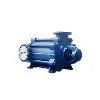
What is Slurry Pump
A slurry pump is a type of centrifugal pump specifically designed to handle abrasive and viscous slurries. It is widely used in industries such as mining, mineral processing, dredging, and wastewater treatment, where the pumping of solids-laden fluids is a common requirement. The distinctive feature of a slurry pump is its robust design, incorporating wear-resistant materials and specialized impeller geometries to withstand the abrasive nature of the slurry. Slurry pumps play a crucial role in transporting slurries containing solids, ranging from fine particles to larger abrasive materials, efficiently and with minimal wear to ensure reliable and continuous operation in challenging environments.
Advantages of Slurry Pump
Abrasion resistance:Slurry pumps are specifically designed to handle abrasive and erosive materials commonly found in slurries. These pumps are equipped with wear-resistant materials, such as high-chrome alloys or rubber linings, that enhance their durability and minimize wear and tear, ensuring longer service life in challenging environments.
Handling viscous fluids:Slurry pumps excel in handling high-viscosity fluids containing solid particles. Their design, including specialized impellers and casings, allows for efficient transportation of slurries with varying concentrations of solids, making them ideal for applications in mining, dredging, and industries dealing with thick or heavy fluids.
Efficient solids handling:Slurry pumps are designed to effectively transport fluids with a high percentage of solids. Their impeller design and construction allow for the passage of particles without clogging, ensuring continuous and reliable pumping of abrasive slurries with minimal downtime.
Versatility:Slurry pumps find versatile applications across various industries, including mining, mineral processing, wastewater treatment, and dredging. Their ability to handle a wide range of slurries, from fine particles to larger abrasive materials, makes them indispensable in processes where the pumping of solids-laden fluids is a critical requirement. The adaptability of slurry pumps to diverse applications underscores their significance in industries dealing with challenging materials.


Why Choose US
Professional team:Our professional team collaborate and communicate effectively with one another, and are committed to delivering high-quality results. They are capable of handling complex challenges and projects that require their specialized expertise and experience.
Innovation:We are dedicated to improving our systems continually, ensuring that the technology we offer is always cutting edge.
One stop solution:We can offer a range of services, from consultation and advice to product design and delivery. It is a convenience for the customers, as they can get all the help they need in one place.
24h online service:We try and respond to all concerns within 24 hours and our teams are always at your disposal in case of any emergencies.
Types of Slurry Pump
When the position of the pump shaft is parallel to the horizontal plane, it is called Horizontal Slurry Pump. The horizontal slurry pump is a single-stage single-suction axial suction cantilever horizontal centrifugal pump with high-strength and wear-resistant materials for the over-flow parts. according to the different suction media, the filter components of various materials can be exchanged. Horizontal slurry pump is suitable for conveying strong abrasion, high concentration, corrosive large or fine particle slurry, this series of slurry pump can be widely used in metallurgy, mining, electric power, coal mine and other industries to transport abrasive slurry containing a large number of solid materials.
When the position of the pump shaft is perpendicular to the horizontal plane, it is called a Vertical Slurry Pump. Generally, the vertical slurry pump is used in the slurry pool to pump the slurry, and the pump head should be placed below the liquid level, so it is also called the Submerged Slurry Pump, but not all the whole pumps are submerged into the water. if the motor and other non-pump head components are also put into the slurry, the pump is called Submersible Slurry Pump. Vertical slurry pump is mainly suitable for conveying corrosive, coarse particles and high concentration slurry.
The Submerged Slurry Pump is a vertical single-stage single-suction cantilever centrifugal pump, the impeller is a semi-open impeller, and a mixing blade is arranged at the suction edge extension of the impeller. The main features of the submerged slurry pump are that the length of the pump shaft in the submerged part is between 800-2000mm, there is no bearing between the impeller and the pump shell, the driving unit is installed on the motor support and support seat by the vertical motor, and the coupling is used to connect with the pump. Submerged slurry pump is mainly used in municipal engineering, paper mills, cement plants, printing and dyeing plants and other industries to pump slurry, quicksand, sludge and other fluids.
Submersible Slurry Pump is the coaxial integration of the pump and the motor, and the motor submerges into the slurry. There is no need to build complex fixtures and protective measures on the ground. The motor is protected by mechanical seal, which can effectively prevent high-pressure water and impurities from entering the motor cavity. The stirring impeller touches the deposition surface directly, and the slurry concentration is controlled by the diving depth, and the slurry automatically pours into the pump to save energy. Submersible slurry pump is suitable for conveying slurry containing abrasive particles such as sand, cinder, tailings, etc., mainly used in metallurgy, electric power, river dredging, sand extraction, municipal mud process and other industries.
How Does a Slurry Pump Work
A slurry pump operates on the principle of converting rotational energy from a motor into kinetic energy in the form of centrifugal force to effectively transport abrasive and high-density slurries. The key components of a slurry pump include the impeller, casing, and suction pipe. The process begins when the motor drives the impeller to rotate within the pump casing. The impeller is a critical component with specially designed vanes that impart energy to the slurry. As the impeller rotates, it generates a centrifugal force, creating a high-velocity flow within the pump chamber. This centrifugal force causes the slurry to be pushed radially outward from the impeller's center towards the casing.
Simultaneously, the suction pipe draws in the slurry from the source, and as it enters the pump, the impeller imparts energy to the fluid. The rotational motion of the impeller impels the slurry to move radially outward along the vanes. The combination of centrifugal force and the impeller's design propels the slurry towards the outer edge of the impeller. As the slurry reaches the outer edge of the impeller, it is directed into the pump casing. The casing is designed to guide the high-velocity slurry flow through the discharge outlet. This redirection from the impeller to the casing induces a change in pressure, creating a pressure gradient that propels the slurry out of the pump and into the desired pipeline or system.
How Often Should a Slurry Pump Be Maintained
The frequency of maintenance for a slurry pump depends on several factors, including the operational conditions, the severity of the application, and the characteristics of the handled slurry. In general, regular maintenance is essential to ensure the ongoing reliability and efficiency of a slurry pump, especially in environments where abrasive and high-density slurries are being handled.
As a standard practice, slurry pump maintenance should include routine inspections and checks, which can be conducted on a weekly or monthly basis. These inspections involve examining key components such as the impeller, casing, seals, and bearings for signs of wear, corrosion, or damage. Additionally, checking alignment, lubrication levels, and the condition of any wear-resistant materials is crucial during these regular intervals.
Beyond routine inspections, more comprehensive maintenance tasks, such as replacing wear parts, overhauling the pump, or addressing specific issues, may be required at quarterly or semi-annual intervals. The frequency of these tasks can vary based on factors such as the pump's duty cycle, the abrasiveness of the slurry, and the overall operating conditions.
In particularly harsh environments or demanding applications, a slurry pump may necessitate more frequent maintenance. Continuous monitoring of performance parameters, such as pump efficiency, vibration levels, and temperature, can provide insights into the pump's condition and help determine when maintenance interventions are needed.
Impeller
The impeller is a rotating component within the pump that imparts energy to the slurry. It is designed with vanes or blades to generate centrifugal force, pushing the slurry radially outward from the center of the impeller. The impeller's design is crucial for the pump's performance and its ability to handle abrasive materials.
Casing
The pump casing surrounds the impeller and guides the flow of the slurry. It is designed to withstand the erosive and abrasive nature of slurries. The casing helps maintain the centrifugal force generated by the impeller and directs the slurry toward the discharge outlet.
Suction pipe
The suction pipe is responsible for drawing the slurry into the pump from the source. It is connected to the suction inlet and ensures a continuous flow of slurry into the pump chamber. The design of the suction system is critical for efficient pumping.
Discharge pipe
The discharge pipe directs the pumped slurry out of the pump and into the desired pipeline or system. It is crucial for maintaining a steady flow and pressure, and its design should minimize wear and resist the abrasive effects of the slurry.
Seals and gaskets
Seals and gaskets are employed to prevent leakage of the slurry from the pump. These components are crucial for maintaining the pump's efficiency and preventing contamination of the surrounding environment. Wear-resistant materials are often used to enhance their durability.
Bearings
Bearings support the rotating shaft and impeller within the pump. They play a critical role in reducing friction and ensuring smooth operation. Bearings need to be designed for durability and resistance to wear, especially in applications where abrasive slurries are handled.
Shaft
The pump shaft connects the impeller to the motor and transmits the rotational energy from the motor to the impeller. It is an integral component that must withstand the torsional forces and stresses generated during pump operation.
Liners
Liners, also known as wear plates or wear liners, are protective layers applied to the internal surfaces of the pump casing and impeller. These liners are made from wear-resistant materials such as high-chrome alloys or rubber to minimize abrasion and extend the pump's lifespan.
Drive unit (motor)
The motor provides the rotational energy needed to drive the impeller and, subsequently, the pump's operation. Motors for slurry pumps need to be robust and designed for the specific application conditions.
How to Select the Right Slurry Pump
Firstly, the type of slurry pump is determined according to the user's on-site working conditions. Horizontal slurry pump is suitable for import with certain pressure, while vertical slurry pump is suitable for mud pool.
According to the acidity and alkalinity of the slurry, we can judge what material is used for the overflowing parts, such as: acidity can be made of A49, Cr30 or natural rubber. And for large particles and strong impact pulp, it is better to select metal wear-resistant material flow passage parts, while for small particles and non sharp edges and corners pulp, it is better to select rubber material flow passage parts.
Motor selection for slurry pump. The motor power of the slurry pump should be 1.2 times of the shaft power of the slurry pump, because the power loss may be caused by the friction between the slurry and the pump body and the overload operation during the operation of the slurry pump.
Determine the sealing mode. There are 3 kinds of sealing methods: packing seal, pressure relief cover auxiliary impeller seal and mechanical seal.
Confirm the driving type. The driving types of slurry pump are V-shaped triangle belt drive, elastic coupling drive, gear reducer drive, hydraulic coupler drive, frequency conversion drive, SCR speed regulation. Among them, the price of elastic couplings and V-shaped triangular belts are lower and it's convenient to disassemble and assemble, so they should be given priority.
According to the flow and head parameters provided by the user, the appropriate slurry pump is selected according to the water performance curve of the slurry pump after the surplus is increased, and the motor power is calculated.
Confirm the footprints of the working site with the users, and design the installation drawings and provide the installation precautions of the slurry pump.
Basic Calculations of Slurry Pumps You Need Know
Flow (Q): The quantity of liquid discharged by the pump in unit time, (unit: m³/h, m³/s. l/s).
Head (H): The energy obtained by unit weight liquid passing through the pump, (unit: m).
Rotation speed (n): Revolutions per minute of pump shaft, (unit: r/min).
Shaft power (P): Power required for motor driven pump, (unit: KW).
Pump effective power (Pe): The product of the flow and head of the pumped liquid (slurry).
Slurry shaft power (Pm): The pump shaft power when pumping slurry is called slurry shaft power, (unit: KW).
Efficiency (n): The ratio of effective power to shaft power, it’s a physical quantity to measure the power capacity of the pump.


The Manufacturing Process of Slurry Pump
Material selection
Based on the design specifications, suitable materials are selected for various components of the slurry pump. These materials must be highly resistant to wear and corrosion, given the abrasive nature of slurries. Common materials include high-chrome alloys, rubber, and other wear-resistant materials.
Casting or fabrication
Depending on the design and material selection, components may be cast or fabricated. Castings may involve processes like sand casting or investment casting for creating intricate shapes, while fabrication may include machining and welding for simpler components.
Machining
Machining processes are employed to refine the shape and dimensions of critical components. Computer Numerical Control (CNC) machining is commonly used to achieve precision in the manufacturing of impellers, casings, shafts, and other parts.
Assembly
The individual components are assembled according to the design specifications. This includes attaching the impeller to the shaft, installing bearings, fitting liners, and assembling other pump elements. Proper alignment and fit are crucial during this stage.
Testing and quality control
The assembled slurry pump undergoes rigorous testing to ensure its performance meets the specified standards. Testing may include checking for leaks, measuring flow rates, assessing head pressure, and verifying overall efficiency. Quality control processes are in place to identify and rectify any defects or discrepancies.
Surface treatment
Surface treatments such as coating or painting may be applied to protect the pump from corrosion and enhance its aesthetic appearance. This is particularly important if the pump is intended for use in corrosive environments.
Final inspection
A final inspection is conducted to verify that the slurry pump meets all quality and performance standards. This involves checking dimensions, clearances, and the functionality of critical components. The pump is then prepared for shipment or installation.
The Application Field of Slurry Pump
Mining industry
Slurry pumps are extensively used in the mining sector for handling abrasive slurries containing minerals and other solid particles. They play a crucial role in transporting mined materials from the extraction site to processing plants, where minerals are separated from the slurry. slurry pumps facilitate the movement of slurries containing valuable minerals through various stages of separation, classification, and extraction processes. These pumps contribute to the efficiency of ore concentration and beneficiation.
Dredging operations
Slurry pumps are essential in dredging operations where sediments, sand, and other materials need to be excavated and transported. They are commonly used in maintaining navigable waterways, reclaiming land, and extracting valuable minerals from underwater deposits.
Wastewater treatment
Slurry pumps are employed in wastewater treatment plants to handle sludges and slurries generated during the treatment process. They assist in transporting the wastewater residuals for further processing, dewatering, or disposal, contributing to the overall efficiency of wastewater treatment systems.
Chemical processing
In chemical processing industries, slurry pumps are utilized for the transfer of corrosive and abrasive chemicals. These pumps are designed with materials resistant to chemical corrosion, making them suitable for applications such as pumping acids, alkalis, and various chemical slurries.
Sand and gravel handling
Slurry pumps find application in the extraction and transportation of sand and gravel. Industries involved in construction, aggregates, and building materials rely on slurry pumps to move abrasive mixtures efficiently, whether it be for processing or material handling purposes.
Power generation
Slurry pumps are used in power plants, particularly in the handling of ash slurries generated during the combustion of coal. These pumps assist in transporting the ash for disposal or reuse, contributing to the efficient operation of power generation facilities.
Slurry pumps are designed to handle corrosive materials in various industrial applications. The ability of a slurry pump to handle corrosive substances is crucial, especially in industries such as chemical processing, mining, and wastewater treatment, where aggressive and corrosive fluids are common.
To withstand the corrosive effects of materials, slurry pumps are constructed using materials that exhibit excellent resistance to corrosion. High-chrome alloys, stainless steel, and rubber linings are often used in the manufacturing of slurry pump components, including impellers, casings, liners, and seals. These materials provide durability and prevent the pump's internal parts from deteriorating when exposed to corrosive elements.
Additionally, the design of slurry pumps takes into account the challenges posed by corrosive materials. The impeller and casing geometry are optimized to minimize wear and erosion, ensuring long-term reliability in the presence of abrasive and corrosive slurries.
How Do You Select the Right Slurry Pump for Your Needs

Determine pump type
Choose the right type of slurry pump based on your application. Common types include horizontal slurry pumps, vertical slurry pumps, submersible slurry pumps, and slurry pumps with agitators. Each type is designed for specific operational conditions, and selecting the right one depends on factors such as space constraints and pumping depth.

Material compatibility
Consider the compatibility of pump materials with the slurry being handled. The pump's impeller, casing, seals, and other components should be made of materials that resist wear, corrosion, and erosion caused by the abrasive nature of the slurry. Common materials include high-chrome alloys, rubber, and other wear-resistant materials.

Evaluate pump efficiency
Examine the pump's efficiency and performance characteristics. Review pump curves provided by the manufacturer, which show how the pump performs at different flow rates and head pressures. Choose a pump that meets the required performance parameters for your system.

Net positive suction head (NPSH) requirements
Consider the Net Positive Suction Head (NPSH) requirements of the pump. Ensure that the available NPSH at the pump inlet exceeds the required NPSH to prevent cavitation, which can lead to reduced performance and damage to the pump.
What You Should Know When Use Slurry Pump
Regular maintenance and inspection
Implement a regular maintenance schedule to inspect and address potential issues promptly. Check for wear on impellers, casings, seals, and bearings. Replace worn components and perform routine lubrication to extend the pump's lifespan.
Monitor pump performance
Monitor key performance parameters such as flow rates, head pressures, and vibration levels. Deviations from normal operating conditions may indicate issues that require attention. Regular monitoring helps identify potential problems before they escalate.
Address cavitation concerns
Be mindful of Net Positive Suction Head (NPSH) requirements to prevent cavitation. Ensure that the available NPSH at the pump inlet exceeds the required NPSH to avoid cavitation-related issues, such as reduced pump efficiency and damage to components.
Operate within design parameters
Operate the slurry pump within its specified design parameters. Exceeding the recommended flow rates, head pressures, or operating conditions can lead to premature wear, reduced efficiency, and potential damage to the pump.
Ensure proper installation
Install the slurry pump following the manufacturer's guidelines and recommendations. Proper alignment of the pump and motor shafts is crucial to prevent issues such as misalignment-related vibrations. Follow electrical and safety guidelines during installation.
Consider pump protection measures
Implement measures to protect the slurry pump from excessive wear and damage. This may include using protective coatings, installing wear liners, and employing proper sealing mechanisms. Consider additional features, such as agitators, in applications with challenging slurry characteristics.
How to Maintain Slurry Pump
Regular inspection
Implement a routine inspection schedule to visually assess the condition of key components. Check for wear, corrosion, and damage on impellers, casings, seals, and bearings. Inspect for any signs of leakage and address issues promptly.
Lubrication
Ensure proper lubrication of bearings and other moving parts. Follow the manufacturer's recommendations for lubrication intervals and use the specified lubricants. Regular lubrication minimizes friction, reduces wear, and contributes to the smooth operation of the slurry pump.

Replace worn components
Monitor wear on critical components, and replace worn parts as needed. This may include impellers, wear plates, seals, and bearings. Timely replacement of worn components prevents deterioration and helps maintain the pump's efficiency.
Address misalignment
Check and maintain proper alignment between the pump and motor shafts. Misalignment can lead to increased vibrations, premature wear, and decreased efficiency. Regularly aligning the pump ensures smooth operation and extends the lifespan of components.
Monitor pump performance
Continuously monitor key performance parameters, such as flow rates, head pressures, and vibration levels. Deviations from normal operating conditions may indicate potential issues. Regular performance monitoring enables early detection of problems and facilitates timely intervention.
Implement preventive measures
Take proactive steps to prevent issues related to wear and abrasion. Consider the use of protective coatings, wear liners, and sealing mechanisms to enhance the durability of critical components. Employ preventive measures, such as installing agitators, to mitigate challenges posed by abrasive slurries.
Certifications


Our Factory
HNYB PUMPS has advanced production equipment,perfect testing means,with a high-quality talent team.Production of a variety of products,complete specifications,under the guidance of the"everything for the customer"policy,the company is constantly forging ahead,innovative development,in the long-term practice has formed a complete set of quality management system,and equipped with excellent technical installation and debugging after-sales service team,really eliminate the troubles for you.


FAQ
Q: What is a Slurry Pump?
Q: How does a Slurry Pump work?
Q: What are the main applications of Slurry Pumps?
Q: What makes Slurry Pumps different from other pumps?
Q: How often should I maintain my Slurry Pump?
Q: What are the signs that my Slurry Pump needs maintenance?
Q: How can I prolong the life of my Slurry Pump?
Q: Can I repair my Slurry Pump if it gets damaged?
Q: How efficient are Slurry Pumps?
Q: What factors should I consider when choosing a Slurry Pump?
Q: What is a slurry pump, and what sets it apart from other types of pumps?
Q: Where are slurry pumps commonly used?
Q: What types of slurries can slurry pumps handle?
Q: How do slurry pumps prevent wear and abrasion?
Q: Can slurry pumps handle corrosive fluids?
Q: How do I select the right slurry pump for my application?
Q: What precautions should be taken when installing a slurry pump?
Q: Can slurry pumps handle high-pressure applications?
Q: What maintenance is required for slurry pumps, and how often should it be performed?
Q: Are there considerations for safety when using slurry pumps?
Henan Yibeng Pump Industry Co., Ltd. is one of the leading slurry pump manufacturers and suppliers in China. We warmly welcome you to buy high-grade slurry pump from our factory. All equipment are with high quality and competitive price. Contact us for more details.
Hydraulic Sludge Pump, Professional Slurry Pump, Slurry Pump