

What is Chemical Pump
A chemical pump is a specialized type of pump designed for the safe and efficient transfer of various chemicals and corrosive substances. These pumps are constructed using materials that resist chemical corrosion, ensuring compatibility with the specific fluids being handled. Chemical pumps find extensive use in industries such as chemical processing, pharmaceuticals, water treatment, and agriculture, where the accurate and controlled transfer of chemicals is critical. The design and materials of chemical pumps prioritize chemical resistance, preventing contamination and ensuring the integrity of the pumping process, making them an essential component in the safe handling of diverse chemical applications.
Advantages of Chemical Pump
Corrosion resistance:Chemical pumps are designed with materials that resist corrosion, making them suitable for handling corrosive and aggressive chemicals. This ensures the longevity of the pump and prevents contamination of the pumped substances.
Versatility:Chemical pumps are versatile and can handle a wide range of chemicals, including acids, bases, solvents, and other aggressive substances. This versatility makes them suitable for diverse applications in industries such as water treatment, pharmaceuticals, and chemical manufacturing.
Safety features:Many chemical pumps are equipped with safety features such as leak detection and overload protection. These features help in preventing accidents, ensuring the safety of personnel, and avoiding environmental hazards associated with chemical spills.
Efficient transfer of chemicals:Chemical pumps are designed to efficiently transfer chemicals from one location to another. This can improve the overall efficiency of industrial processes by ensuring a consistent flow of chemicals, reducing wastage, and enhancing the reliability of chemical handling systems.


Why Choose US
Professional team:Our professional team collaborate and communicate effectively with one another, and are committed to delivering high-quality results. They are capable of handling complex challenges and projects that require their specialized expertise and experience.
Innovation:We are dedicated to improving our systems continually, ensuring that the technology we offer is always cutting edge.
One stop solution:We can offer a range of services, from consultation and advice to product design and delivery. It is a convenience for the customers, as they can get all the help they need in one place.
24h online service:We try and respond to all concerns within 24 hours and our teams are always at your disposal in case of any emergencies.
Types of Chemical Pump
Centrifugal pumps
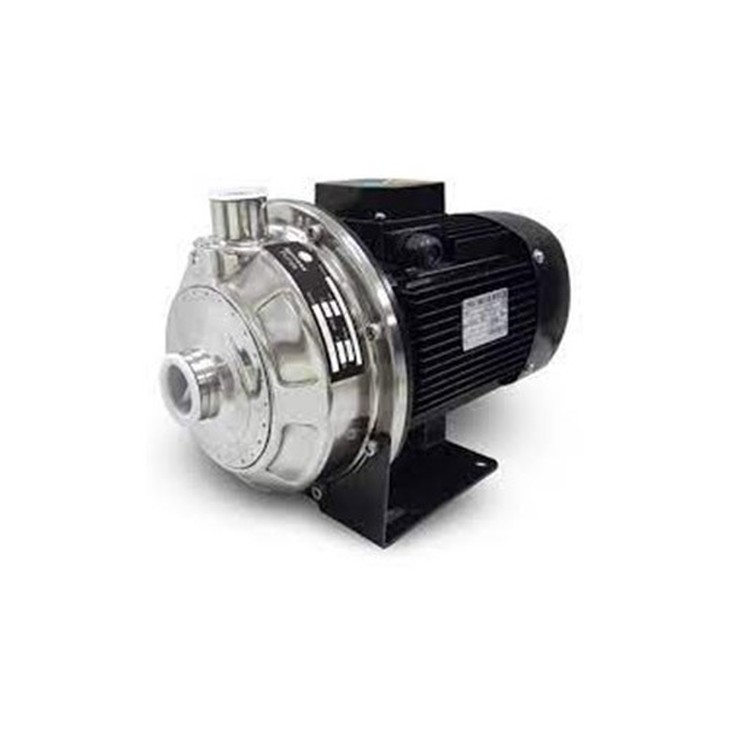
The centrifugal pump is a positive-displacement pump that requires no wall suction near the liquid level. Instead, it moves liquids and gases by utilizing an electric motor or engine. They are commonly used for high-volume pumping tasks because they are built to operate with low head pressure. The science behind these pumps involves impeller blades that move fluids by shifting fluid pressures toward the center of rotation and auxiliary equipment like piping support assemblies, valves, and pumps for transferring liquids through pipes. This uniform velocity flow makes it well-suited for feeder systems in chemical industries.
Gear pumps
The Gear pump is a type of positive-displacement rotary piston pump that operates by converting the back-and-forth linear motion of pistons into an elliptical surface resembling gears. This design increases the contact area between the pump material and the pumped fluid, resulting in efficient and effective transfer. The cogs interlock the gears made of tough plastics or vulcanized rubber, and the teeth match their respective sizes. Multiple gearing ratios are available for clockwise and counterclockwise rotation, enhancing efficiency at various rotational speed ranges, with low speed being more suitable for low-pressure applications. Gear pumps are utilized in various types of equipment, including laboratory reactors, paint turbines, and fluid power systems, that require chemical resistance and suction lift capabilities. Additionally, they are frequently employed in breweries to transfer fluid within tanks and refrigerators.
Screw pumps
Except for the screw effect of a rapidly rotating helix threaded within a long pipe, screw pumps operate similarly to standard rotary pumps. With every turn of the screw, the liquid is squeezed and forced to move through one end of the pump. Positive displacement screw pumps use a rotating helical screw inside a progressively tapered pipe to move liquids or fluids from an open to a closed end. The pressure builds up as the fluid moves through the taper, resulting in increased pressure at the closed end, which forces more fluid out. These pumps are commonly used for irrigation and hydroelectric power generation and are also classified as positive displacement pumps.
Rotary vane pumps
Rotary vane pumps are suitable for liquid transfer between different locations, and they can be installed externally to the system being pumped, including air or gas compressors. These pumps are positive displacement pumps and use linear pistons to drive fluid through an impeller lacking circular vanes. Instead, the impeller creates a swirling rotation that moves liquid from an expanding chamber to an expelling chamber. The development of rotary vane pumps dates back to the 1930s when the two World Wars caused a significant energy crisis. At the time, the rapid expansion of oil fields with low-pressure wells and water swamps prompted the need for a new type of pump technology.

How Does a Chemical Pump Work
A chemical pump operates by converting mechanical or electrical energy into the movement of chemicals from one location to another within an industrial or manufacturing process. The functioning of chemical pumps depends on the pump type, and a common principle involves a series of phases. Firstly, the pump needs to be primed, ensuring that it is filled with the specific chemical to be transferred. During the suction phase, the pump creates a low-pressure environment at the suction port, allowing the chemical to be drawn into the pump from its source, typically through a suction pipe or hose.
Many chemical pumps employ the positive displacement principle, where a specific amount of fluid is trapped and then displaced or pushed out through the discharge port. This displacement can be achieved through various mechanisms like reciprocating pistons, diaphragms, or rotating gears. On the other hand, centrifugal chemical pumps operate based on the centrifugal force generated by a rotating impeller, propelling the chemical outward and creating a flow through the pump. The subsequent discharge phase involves pushing the chemical out of the pump through the discharge port, overcoming resistance in the piping system and facilitating its movement to the desired destination.
What Is the Characteristics of the Chemical Pump
The characteristics of chemical pumps are integral to their successful application in diverse industrial settings where the transfer and handling of chemicals are critical processes. A primary feature is their exceptional corrosion resistance. Chemical pumps are constructed with materials that can withstand the corrosive nature of various chemicals, ensuring durability and preventing contamination. This resistance is particularly crucial for maintaining the integrity of the pump over time, even when dealing with aggressive substances.
Versatility is a key attribute, as chemical pumps demonstrate the ability to handle a wide spectrum of chemicals, including acids, bases, solvents, and other aggressive substances. This adaptability makes chemical pumps suitable for a myriad of applications across various industries, providing a versatile solution for the transfer and management of different types of chemicals.
Safety features are integrated into the design of chemical pumps to ensure secure operation. These features often include leak detection mechanisms and overload protection, enhancing the overall safety of industrial processes involving chemical transfer. By incorporating safety controls, chemical pumps contribute to accident prevention, personnel protection, and the mitigation of environmental risks associated with chemical handling.

How to Choose Chemical Pump
Identify the fluid being transferred: Different fluids have different properties, such as viscosity, corrosiveness, and temperature, which can affect the pump selection. Make sure to choose a pump that is compatible with the fluid being transferred.
Determine the flow rate required: The flow rate is the amount of fluid that needs to be transferred per unit of time. Make sure to choose a pump that can handle the required flow rate.
Determine the pressure needed: The pressure is the force required to move the fluid through the system. Make sure to choose a pump that can provide the required pressure.
Consider the application environment: The application environment, such as the temperature, humidity, and presence of hazardous materials, can affect the pump selection. Make sure to choose a pump that can operate safely in the application environment.
Consider the pump material: The pump material should be compatible with the fluid being transferred and the application environment. For example, if the fluid is corrosive, the pump material should be corrosion-resistant.
Consider the pump type: Each pump type has its own advantages and disadvantages. Make sure to choose a pump type that is suitable for the application requirements.
What Types of Chemicals Can a Chemical Pump Handle
Acids
Chemical pumps are often used to handle various acids, such as sulfuric acid, hydrochloric acid, nitric acid, and more. These acids are commonly employed in industrial processes for tasks like metal cleaning, pickling, and chemical manufacturing.
Bases
Chemical pumps can handle alkaline substances, including caustic soda (sodium hydroxide) and other bases used in processes such as water treatment and chemical synthesis.
Solvents
Chemical pumps are suitable for transferring solvents like acetone, methanol, ethanol, and other organic solvents. Solvents are widely used in industries such as pharmaceuticals, paints, and coatings.
Petrochemicals
Chemical pumps are employed in handling various petrochemicals, including fuels, lubricants, and other petroleum-based products used in the oil and gas industry.
Corrosive Chemicals
Chemical pumps are designed to handle corrosive chemicals that can cause damage to standard pump materials. Examples include corrosive salts, chlorides, and other aggressive substances.
Viscous liquids
Some chemical pumps are capable of handling viscous liquids such as polymers, resins, and adhesives used in manufacturing processes.
Toxic chemicals
Chemical pumps equipped with appropriate safety features can handle toxic chemicals safely. These pumps are often used in applications where minimizing exposure to hazardous substances is critical.
Slurries
Certain chemical pumps, like diaphragm pumps or peristaltic pumps, can handle slurries containing solid particles, making them suitable for applications in wastewater treatment and mining.
Materials Used in Chemical Pump
Stainless steel: Stainless steel is a widely used material in chemical pumps due to its corrosion resistance and durability. Different grades of stainless steel are chosen based on the specific chemicals and environmental conditions.
Plastics (Polypropylene, PVDF, PTFE): Plastics such as polypropylene, polyvinylidene fluoride (PVDF), and polytetrafluoroethylene (PTFE) are commonly used in chemical pumps for their excellent chemical resistance. These materials are particularly suitable for handling corrosive acids and bases.
Hastelloy: Hastelloy is a corrosion-resistant alloy that is often used in chemical pumps when higher resistance to aggressive chemicals is required. It is suitable for handling strong acids, chlorine, and other corrosive substances.
Ceramics: Ceramics, including alumina and zirconia, are used in chemical pumps for their resistance to abrasion and corrosion. Ceramic components are often employed in pumps handling abrasive slurries and corrosive chemicals.

Nickel alloys
Certain nickel alloys, such as Inconel, offer excellent corrosion resistance and are used in chemical pumps for applications involving aggressive chemicals and high temperatures.
Graphite
Graphite is used in chemical pumps for its resistance to corrosion and high temperatures. It is suitable for handling strong acids, particularly in applications involving challenging chemical environments.
Rubber and elastomers
Rubber and elastomeric materials, such as neoprene, EPDM (ethylene propylene diene monomer), and Viton, are used for seals, gaskets, and diaphragms in chemical pumps. These materials provide flexibility and resilience while offering resistance to various chemicals.
Ceramic coating
Some chemical pumps may have ceramic coatings on certain components to enhance abrasion resistance and protect against wear in applications involving abrasive chemicals or slurries.
Components of Chemical Pump
Motor or power source: The motor or power source is the driving force behind the pump. It provides the energy needed to move the pump's components and transfer the chemical.
Impeller or rotating element: In centrifugal chemical pumps, the impeller is a crucial component. It rotates and imparts kinetic energy to the fluid, creating a flow by centrifugal force. This is particularly relevant in pumps designed for liquids with lower viscosity.
Diaphragm or piston: Positive displacement chemical pumps often contain diaphragms or pistons. These components move back and forth, creating a pumping action that displaces a specific volume of fluid during each cycle.
Casing or housing: The casing or housing encloses the pump's internal components and provides structural support. It also helps contain the chemical being pumped.
Suction and discharge Ports: These are openings in the pump through which the chemical enters (suction) and exits (discharge). The design of these ports can vary based on the pump type and application.
Valves (check valves): Valves, particularly check valves, are essential in controlling the direction of fluid flow. They ensure that the chemical moves unidirectionally, preventing backflow.
Seals and gaskets: Seals and gaskets are crucial for preventing leaks and maintaining the integrity of the pump. They provide a barrier between moving parts, helping to contain the chemical within the pump.
Bearings: Bearings support the rotating elements of the pump, reducing friction and ensuring smooth operation. Proper lubrication is essential to prevent wear and extend the life of bearings.
Safety features: Modern chemical pumps often include safety features such as leak detection systems, overload protection, and pressure relief valves. These features enhance the safety of the pump and the overall system.
Control systems: Some chemical pumps are equipped with control systems that allow for adjustment of flow rates, pressure, and other parameters. These systems contribute to the precise and controlled handling of chemicals.
Baseplate or mounting frame: The baseplate or mounting frame provides a stable foundation for the pump and motor, ensuring proper alignment and support during operation.
How Can the Efficiency of a Chemical Pump Be Improved

Correct pump selection
Choose the right type of pump for the specific application and chemical properties. Different pumps have varying efficiencies based on factors like flow rate, pressure, and the type of fluid being handled. Properly matching the pump to the requirements of the task at hand can significantly improve overall efficiency.
Regular maintenance
Implement a routine maintenance schedule to ensure that the pump operates at peak efficiency. Regular checks for wear and tear, lubrication of moving parts, and inspection of seals and gaskets can prevent inefficiencies caused by friction, leaks, or component degradation. Timely replacement of worn-out parts can extend the pump's lifespan and maintain optimal performance.
Optimal operating conditions
Operate the chemical pump within its specified operating parameters. This includes maintaining the recommended flow rates, pressure levels, and temperature ranges. Deviating from these guidelines can lead to increased energy consumption, reduced efficiency, and potential damage to the pump components. Monitoring and adjusting operational conditions as needed contribute to improved efficiency.
Energy-efficient motors and variable speed drives
Consider using energy-efficient motors and variable speed drives. Upgrading to high-efficiency motors and incorporating variable speed drives allows for better control of the pump's speed and power consumption. Variable speed operation enables the pump to adapt to changing demands, reducing energy consumption during periods of lower demand and enhancing overall efficiency.
Water treatment
Chemical pumps are widely used in water treatment plants for the dosing of chemicals such as coagulants, flocculants, disinfectants (like chlorine), and pH-adjusting chemicals. These chemicals are essential for purifying and conditioning water for public consumption.
Chemical processing
In chemical manufacturing and processing industries, chemical pumps play a vital role in transferring raw materials, intermediates, and finished products. They are used for dosing precise amounts of chemicals in reactions, mixing processes, and the transportation of various chemical compounds.
Petroleum industry
Chemical pumps are employed in the petroleum and oil refining industry for the transfer of crude oil, refined products, and various chemicals used in refining processes. They are critical for maintaining the flow of liquids throughout the production and distribution of petroleum products.
Pharmaceutical manufacturing
In pharmaceutical production, chemical pumps are utilized for the precise dosing of ingredients in drug formulations. They help maintain the accuracy and consistency of chemical compounds, ensuring the quality of pharmaceutical products.
Agriculture
Chemical pumps are used in agriculture for tasks such as fertilization, pesticide application, and irrigation. They facilitate the controlled dispensing of chemicals, promoting efficient and uniform distribution in the agricultural field.
Mining industry
In mining operations, chemical pumps are employed for transferring abrasive slurries, chemicals used in mineral processing, and various reagents necessary for extracting valuable minerals. The pumps must handle challenging conditions such as high abrasion and corrosive environments.
Food and beverage industry
Chemical pumps are utilized in the food and beverage industry for transferring ingredients, flavorings, and additives in precise quantities. They are also employed in processes such as CIP (Clean-In-Place) for maintaining hygiene in production equipment.
Wastewater treatment
Chemical pumps play a crucial role in wastewater treatment plants, where they are used for dosing chemicals for flocculation, coagulation, disinfection, and pH adjustment. These chemicals aid in the removal of impurities from wastewater.
Power generation
Chemical pumps are employed in power plants for transferring chemicals used in water treatment, boiler feedwater conditioning, and emissions control. They contribute to the efficient and reliable operation of power generation facilities.
Textile industry
Chemical pumps are used in the textile industry for the transfer of chemicals involved in dyeing, finishing, and other textile processing operations. They contribute to the precision and consistency of chemical applications in these processes.
How to Install Chemical Pump
Pump selection
Choose the appropriate chemical pump based on the specific requirements of the application. Consider factors such as the type of chemicals to be pumped, flow rates, and pressure specifications. Select a pump that is compatible with the intended use.
Foundation and mounting
Provide a stable foundation or mounting platform for the pump and motor. Ensure proper alignment to prevent issues such as vibration or misalignment. Follow the manufacturer's recommendations for foundation and mounting requirements.
Piping system design
Design and install a robust piping system for both the suction and discharge sides of the pump. Use materials that are compatible with the chemicals being handled. Include isolation valves, check valves, and any other necessary accessories in the piping system.
Electrical connections
Ensure that the electrical connections for the pump motor comply with electrical codes and safety standards. Implement proper electrical protection measures, such as fuses or circuit breakers, and follow the manufacturer's guidelines for electrical installation.
Safety measures
Adhere to safety regulations and guidelines for handling chemicals. Equip personnel involved in the installation with appropriate personal protective equipment (PPE). Implement grounding measures to prevent static electricity buildup, particularly when dealing with flammable or combustible chemicals.
Start-up and testing
Prime the pump by filling it with the appropriate chemical before starting the operation. Gradually start the pump and monitor its performance. Check for any unusual noise, vibrations, or leaks. Follow the recommended start-up procedures provided by the manufacturer.
While chemical pumps are primarily designed for handling various chemicals in industrial applications, certain types of chemical pumps can indeed be used in beverage processing under specific conditions. In the beverage industry, where precision and hygiene are crucial, it is essential to select the appropriate pump that meets the specific requirements of the application.
Diaphragm pumps, peristaltic pumps, and centrifugal pumps made from materials such as stainless steel, food-grade plastics, or elastomers are commonly used in beverage processing. These pumps offer benefits such as gentle handling of fluids, easy cleanability, and compliance with sanitary standards.
Diaphragm pumps, known for their positive displacement and ability to handle viscous fluids, are suitable for transferring ingredients like syrups and concentrates in beverage production. Peristaltic pumps, which use rotating rollers to compress flexible tubing, are often chosen for their sanitary design, making them ideal for transferring sensitive fluids like juices without the risk of contamination.
In addition, centrifugal pumps made from food-grade materials can be employed for various applications, including transferring liquids during different stages of beverage processing. These pumps provide efficient fluid movement while maintaining hygiene standards.
How to lubricate Chemical Pump
Selecting the right lubricant
Choose a lubricant that is compatible with the materials used in the chemical pump and is suitable for the specific chemicals being handled. Consult the pump manufacturer's recommendations for approved lubricants.
Lubrication points identification
Identify the critical lubrication points on the pump. Common areas requiring lubrication include bearings, seals, gears, and any other moving parts. Refer to the pump's manual or documentation for specific guidance on lubrication points.
Frequency of lubrication
Establish a regular lubrication schedule based on the pump's usage and operating conditions. Frequent lubrication may be necessary for pumps operating in demanding environments or at higher speeds.
Proper lubrication technique
Follow the correct lubrication technique specified by the manufacturer. This may involve applying the lubricant directly to the lubrication points or using a lubrication system integrated into the pump.
Use of automatic lubrication systems
Consider employing automatic lubrication systems for chemical pumps. These systems can provide consistent and timed lubrication to critical components, reducing the risk of under-lubrication or over-lubrication.
Monitor lubrication effectiveness
Regularly monitor the effectiveness of the lubrication process. Check for signs of wear, overheating, or unusual noise during operation, as these may indicate issues with lubrication. Adjust the lubrication schedule or technique if necessary.
Safety Precautions when Handling Chemical Pumps
Training
Before using a chemical pump, it is essential to undergo proper training on how to operate it safely. This includes understanding the pump's design, components, and limitations, as well as the chemicals it is designed to handle. Training should also cover emergency procedures in case of accidents.
Personal protective equipment
Workers should always wear personal protective equipment (PPE) when handling chemical pumps. This includes gloves, goggles, and protective clothing. PPE helps to minimize the risk of exposure to hazardous chemicals and protects workers from splashes and spills.
Proper ventilation
Chemical pumps should be used in well-ventilated areas to prevent the buildup of hazardous fumes. Proper ventilation helps to ensure a safe working environment for workers and reduces the risk of fires and explosions.
Inspection and maintenance
Chemical pumps should be inspected and maintained regularly to ensure that they are functioning properly. This includes checking for leaks, damage, and wear and tear. Any issues should be addressed immediately to prevent accidents and injuries.
Compatibility
It is crucial to ensure that the chemicals being pumped are compatible with the pump's materials. Using the wrong pump can cause corrosion and damage, leading to hazardous situations. Always refer to the pump's manual to ensure that it is compatible with the chemicals being used.
Emergency procedures
In the event of an accident, it is crucial to have emergency procedures in place. This includes having a spill kit and proper disposal methods for hazardous materials. Workers should also be trained on what to do in case of an emergency and who to contact for assistance.
Certifications


Our Factory
HNYB PUMPS has advanced production equipment,perfect testing means,with a high-quality talent team.Production of a variety of products,complete specifications,under the guidance of the"everything for the customer"policy,the company is constantly forging ahead,innovative development,in the long-term practice has formed a complete set of quality management system,and equipped with excellent technical installation and debugging after-sales service team,really eliminate the troubles for you.


FAQ
Q: What is a chemical pump?
Q: What types of chemicals can be pumped using a chemical pump?
Q: What makes chemical pumps different from regular pumps?
Q: How do chemical pumps work?
Q: Are chemical pumps safe to use?
Q: Can chemical pumps handle high temperatures?
Q: How do I select the right chemical pump for my application?
Q: Are chemical pumps suitable for transferring flammable liquids?
Q: Can chemical pumps be used for food-grade applications?
Q: How often should I perform maintenance on a chemical pump?
Q: Can a chemical pump be repaired or serviced on-site?
Q: What safety precautions should be taken when using chemical pumps?
Q: Can chemical pumps handle abrasive chemicals?
Q: Are there any environmental considerations when using chemical pumps?
Q: Can chemical pumps be used for continuous operation?
Q: Are there any specific installation requirements for chemical pumps?
Q: How can I troubleshoot common issues with chemical pumps?
Q: Can chemical pumps be used for high-pressure applications?
Q: What certifications should I look for when purchasing a chemical pump?
Q: Where can I find technical support or assistance for my chemical pump?
As one of the leading chemical pump manufacturers in China, we warmly welcome you to buy high-grade chemical pump from our factory. All equipment are with high quality and competitive price. Contact us for more details.