

The impact of corrosion on centrifugal pumps and anti-corrosion maintenance strategies
Oct 13, 2025
Leave a message
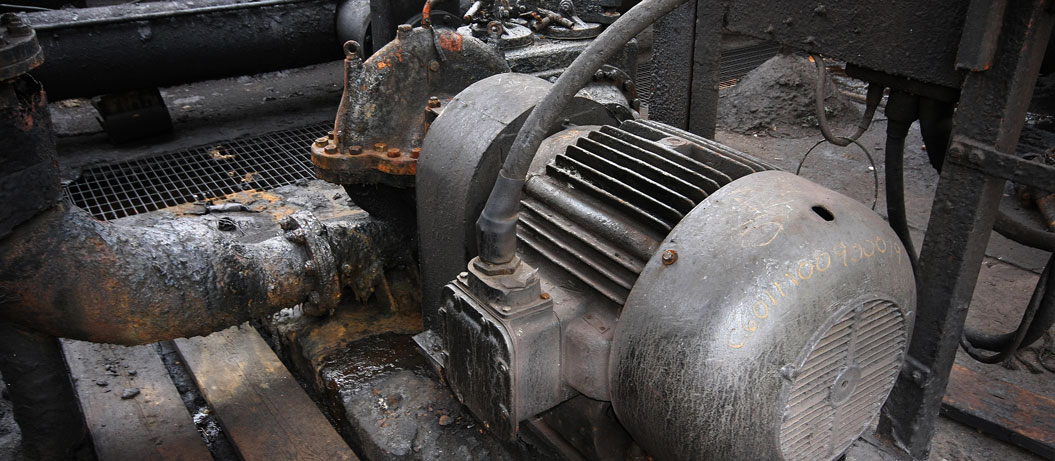
Corrosion in centrifugal pumps is a critical issue affecting equipment efficiency, reliability, and service life. Various types of corrosion can occur, depending on factors such as the material, the chemical properties of the fluid being pumped, and the operating environment. Accurately identifying these corrosion patterns is essential for implementing effective protective measures and selecting materials.
-
Common corrosion types include
1) Uniform corrosion: manifests as uniform thinning of the material surface.
2) Pitting corrosion: forms small, localized holes that can lead to sudden failure.
3) Crevice corrosion: occurs in areas of low oxygen concentration and is often difficult to detect.
4) Galvanic corrosion: occurs when two dissimilar metals coexist in an electrolyte environment.
5) Erosion corrosion: Caused by a combination of physical wear and chemical attack.
6) Corrosion fatigue: The result of a corrosive environment and cyclic stress.
By understanding the mechanisms of various types of corrosion and assessing the weak links in pump systems, more targeted corrosion prevention strategies can be developed, thereby improving the durability and operational efficiency of pumping systems.
-
Impact of Corrosion on Centrifugal Pumps
Decreased Hydraulic Efficiency: Even a 10% loss in efficiency can result in thousands of dollars in additional energy costs over the pump's lifetime.
Increased Vibration and Noise: A corroded impeller throws the pump off balance, stressing bearings and seals.
Frequent Failures: Corrosion accelerates fatigue, leading to repeated repairs and downtime.
Rising Lifecycle Costs: More spare parts, longer maintenance cycles, and lost production time.
Safety Risks in Critical Plants: In power, chemical, or marine systems, an impeller failure can escalate into a leak or a dangerous shutdown.
Corrosion is more than just cosmetic; by the time you see visible damage, your pump is already operating below its designed efficiency.
-
Anti-corrosion maintenance strategy for pump equipment
To effectively prevent pump corrosion, a comprehensive maintenance strategy targeting various degradation mechanisms is essential. Such measures not only improve the operational reliability of the pump system but also significantly extend its service life. This section focuses on key maintenance methods for effectively controlling and managing pump corrosion.
Regular cleaning and inspection are fundamental to maintaining pump integrity. By ensuring that pump surfaces are free of deposits, debris, or any foreign matter that could trap corrosive agents, the incidence of crevice and pitting corrosion can be significantly reduced. Regular inspections help detect problems early, allowing them to be repaired before significant damage occurs.
1) Visual inspection: Identify signs of corrosion such as discoloration and pitting.
2) Ultrasonic testing: Measure wall thickness and detect hidden defects beneath the surface.
3) Regular cleaning: Remove harmful deposits and prevent accumulation.
The application of inhibitors provides another layer of protection. Adding chemical inhibitors to the fluid medium effectively reduces its corrosive potential. These inhibitors form a passive protective layer on the metal surface, slowing the corrosion rate. They are widely used in applications where corrosion can be controlled by adjusting pH or other fluid properties.
Controlling operating conditions is also crucial. Under certain physical conditions, such as temperature and flow rate, the corrosion rate can increase dramatically. Optimizing these parameters within safe operating ranges can significantly mitigate the effects of erosion, corrosion, and corrosion fatigue.
1) Maintain moderate fluid flow rates to reduce erosion;
2) Monitor and regulate temperature to avoid extreme conditions that accelerate corrosion;
3) Maintain stable operating pressure to prevent stress-related material degradation.
Replacing and upgrading pump components with corrosion-resistant materials should be a key component of a comprehensive maintenance plan. By adopting upgraded materials or replacing worn parts, you not only refresh the system but also incorporate the latest advances in corrosion protection technology.
Finally, professional training for maintenance personnel is invaluable. By educating the team on the importance of corrosion protection and mastering specific maintenance methods for different corrosion types, more effective long-term management of the pump system can be achieved.