

Selection and Maintenance Guide for Pumps for Transferring Abrasive Materials
Feb 10, 2026
Leave a message
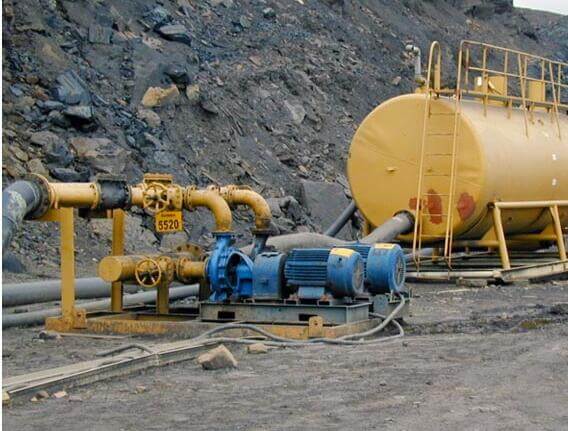
Pumping abrasive materials presents a significant engineering challenge, stemming from the inherent characteristics of the materials themselves. A thorough understanding of these materials' properties and characteristics is crucial for the appropriate selection and optimization of pump operation.
-
Classification of abrasive materials
Abrasive materials can generally be classified based on several common characteristics: hardness, particle size, particle shape, and specific gravity. Each characteristic directly affects the degree of wear a pump may experience.
- Hardness: Usually expressed on the Mohs scale. The higher the hardness, the stronger the abrasiveness. For example, high-hardness materials such as quartz cause far more wear on pump components than low-hardness materials such as gypsum.
- Particle Size: Particle size affects pump selection and its wear patterns. Large particles generally lead to more severe mechanical wear, while fine particles are prone to clogging; the latter often requires a small-clearance pump, but once particles become stuck, they can actually exacerbate wear.
- Particle Shape: Materials with sharp edges are more abrasive than those with rounded edges. The sharper the particles, the easier it is for them to cut into pump internals and cause material erosion and loss.
- 4. Specific gravity: The higher the density of a material, the greater the stress it exerts on pump components. At the same flow rate, a higher specific gravity means a greater mass impacting the pump body surface, thus accelerating wear.
The table below lists several common abrasive materials and their properties:
| Materials | Mohs hardness | Typical particle size (micrometers) | Shape | proportion |
| Sand | 7 | 100-2000 | Angular | 2.65 |
| Cinder | 6-7 | 200-2000 | Angular | 2.7 |
| Copper slag | 7 | 100-1000 | Sharp edges | 3.5 |
| Garnet sand | 7.5-8 | 100-1000 | Sub-rounded | 3.9-4.1 |
| Alumina | 9 | 10-1000 | Block-like with angular edges | 3.95 |
When handling abrasive materials, environmental and operational factors are equally critical. The pH, temperature, and chemical composition of the slurry interact with the material, potentially exacerbating or mitigating its abrasive effects.
To effectively handle these challenging materials in pumping systems, a deep and comprehensive understanding of their characteristics and behavior is essential. This understanding plays a crucial role not only in the initial pump selection but also directly influences subsequent maintenance strategies necessary to extend equipment life.
-
Selection criteria for pumps for conveying abrasive materials
Selecting the right pump for abrasive materials requires a systematic evaluation of several key factors affecting performance, durability, and overall cost-effectiveness. The focus is on whether the pump's structural materials, pump design, and operating characteristics meet the requirements of the specific operating conditions.
Structural Materials: Pumps handling abrasive materials need to be manufactured using materials capable of withstanding high wear. The typical choice lies between hardened metal alloys and elastic materials.
- Metal Alloys (e.g., high-chromium alloys): High hardness and wear resistance, especially suitable for sharp, coarse-grained, and heavily abrasive materials, providing a longer service life.
- Elastic Materials (e.g., natural rubber): Good toughness and erosion resistance, more suitable for fine-grained, wet, or corrosive (e.g., acidic) conditions, helping to mitigate corrosion and wear problems.
Pump Design: A good design should reduce flow velocity and minimize direct impact of material on the flow path. Two main designs are centrifugal slurry pumps and positive displacement pumps. Centrifugal pumps are suitable for continuous, high-flow-rate applications, while positive displacement pumps offer precise flow control and are suitable for both low- and high-viscosity slurries.
- Centrifugal slurry pumps: These pumps use an impeller to transfer energy to the slurry mixture and are designed for handling tough materials.
- Positive displacement pumps: These pumps can deliver a fixed volume of fluid, providing a stable flow rate. They are suitable for applications with variable operating conditions and requiring precise flow management.
Operating characteristics: Key operating characteristics include:
- Sealing technology: Mechanical seals are generally superior to packing seals, more effectively preventing leakage of abrasive slurries and improving safety and reliability.
- Adjustable wear components: Equipped with adjustable wear rings and other components, internal clearances can be readjusted after wear, thereby extending the overall life of the pump.
- Impeller adjustment: An easily adjustable impeller design can restore the pump to its optimal performance after wear, maintaining operating efficiency.
System configuration: System-level considerations are necessary, such as whether to include a backup pump or redundant circuits to ensure continuous system operation during main pump maintenance.
In summary, selecting a suitable pump requires a comprehensive assessment of its operating environment, current requirements, and potential future changes in material characteristics or system performance. A deeper understanding of these factors and their interactions in specific industrial scenarios will help in making more economical, reliable, and durable choices.
-
Maintenance strategies for pumps transporting abrasive materials
To effectively combat wear and extend equipment life, pumps conveying abrasive materials require a prudent maintenance strategy. The following key measures are crucial for achieving this goal:
Regular Inspections: Conduct routine visual inspections to detect early signs of wear or damage. Focus should be placed on areas susceptible to abrasion and erosion, such as impellers, pump casings, and seals. Inspection frequency should be determined based on actual operating intensity and the abrasiveness of the material.
Wear Monitoring: Continuously monitor the condition of critical components using technological means. For example, vibration analysis and ultrasonic thickness measurement can predict wear trends and anticipate potential failures, shifting from reactive maintenance to proactive maintenance and planned replacement.
Selection of Wear-Resistant Replacement Parts: In operating conditions where wear is unavoidable, replacement parts should be manufactured using materials specifically designed for wear resistance to significantly extend service life. Commonly used materials include:
- Ceramic-Coated Components: Possessing excellent erosion and corrosion resistance, especially suitable for handling fine and sharp particles.
- Hardened steel or special alloys: Possessing extremely high hardness and wear resistance, suitable for handling large, highly abrasive particles that may cause severe mechanical wear.
Planned Maintenance: Strictly adhere to maintenance plans developed based on manufacturer recommendations and your own operational history data. Ensure replacement or repair of components before severe wear or failure occurs, avoiding unplanned downtime.
Lubrication Management: In abrasive environments, maintaining adequate lubrication of components is particularly important for reducing friction and wear. Specialized lubricants that can withstand particulate contamination and maintain stable lubrication performance under extreme conditions should be selected.
Hydraulic parameter optimization: Regularly adjust the pump's hydraulic components (such as pump speed and impeller position) to optimize flow rate and reduce particle impact on components. This helps minimize wear while maintaining conveying efficiency.
Maintenance personnel training: Provide specialized training to the maintenance team to ensure they have a thorough understanding of the characteristics of the materials handled, common wear and failure modes, and proper preventative maintenance measures. This will improve the effectiveness of inspections, the sharpness of problem identification, and the professionalism of maintenance task execution.
Abrasive materials cause significant wear and damage to pumps, and their hardness, particle size, shape, and specific gravity directly determine the degree of wear. In engineering applications, a comprehensive evaluation of pump structural materials, pump design, sealing and regulating components, and other selection factors should be conducted in conjunction with the operating conditions. This should be accompanied by a systematic maintenance strategy that includes regular inspections, wear monitoring, replacement of wear-resistant parts, lubrication management, hydraulic optimization, and personnel training. This will reduce equipment wear, extend service life, and improve the reliability and economy of the conveying system.