

Causes and solutions for abnormal vibration of self-balancing multistage pumps
Oct 20, 2025
Leave a message
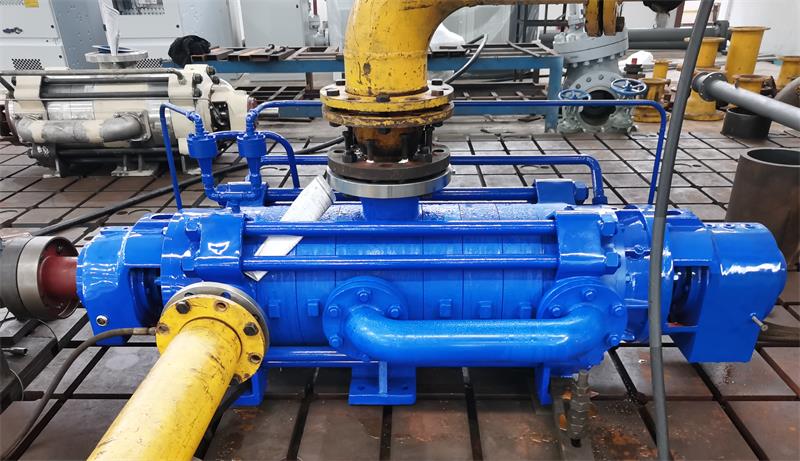
Self-balancing multistage pumps are widely used in various industrial applications due to their high efficiency and stable performance. However, vibration issues can occasionally occur during operation, affecting pump performance and service life. To effectively reduce vibration, we offer the following practical strategies and recommendations.
-
Ensure a Stable Foundation Installation
First, ensuring the pump is installed on a solid, stable foundation is crucial for reducing vibration. If the foundation is not strong enough, consider adding vibration dampers or reinforcing the foundation to prevent vibration problems caused by an unstable foundation.
-
Proper Assembly of Internal Components
Proper assembly of internal components is crucial for reducing vibration. In particular, the clearance between the rotor and stator must be properly adjusted to avoid excessive clearance that can lead to unbalanced vibration. Regular inspection and adjustment of these critical components will help maintain smooth pump operation.
-
Optimize Pipeline Design and Repair
Proper design of inlet and outlet pipes is equally important for reducing vibration. Avoid pipe resonance and securely secure the pipes to prevent vibration from being transmitted to the pump body. Proper design and good securing measures can significantly reduce the risk of vibration.
-
Regularly Inspect Bearings and Seals
Regularly inspect the condition of bearings and seals, and promptly replace worn or damaged components. High-quality bearings and seals ensure smooth pump operation and reduce unnecessary vibration. Maintaining these vulnerable components not only extends the pump's lifespan but also improves its efficiency.
-
Operate within design limits
Ensure the pump operates within its design flow and pressure ranges. Excessively high or low flow and pressure can cause vibration, so it's important to monitor and maintain proper operating parameters. This not only helps reduce vibration but also improves overall operating efficiency.
-
Balancing Rotating Components
For self-balancing pumps, regular balancing checks and calibration of rotating components, such as the rotor, are particularly important. High-precision balancing can significantly reduce vibration and ensure long-term stable operation. It's recommended to establish a regular balancing check schedule based on the frequency of use and the operating environment.
-
Maintenance and Inspection
Perform comprehensive regular maintenance and inspections on the pump, including inspections of consumable parts such as the impeller, bearings, and seals. Preventive maintenance can identify and address potential problems promptly, ensuring the pump is always in optimal condition.
-
Optimizing Operating Parameters
Optimize operating parameters such as pump speed and flow rate based on actual operating conditions. Proper parameter settings not only reduce vibration but also improve overall pump performance. It's recommended to flexibly adjust operating parameters based on the specific application scenario.
-
Using Shock Pads or Vibration Dampers
Installing shock pads or vibration dampers under the pump base can effectively absorb and reduce vibration. These auxiliary devices can mitigate the effects of vibration on the pump body to a certain extent, further improving pump stability.
-
Be aware of environmental factors
Environmental factors such as temperature and humidity can also affect pump vibration. Ensure the pump's operating environment meets its design requirements to avoid vibration issues caused by these factors. For example, high temperatures may require additional cooling measures.
In summary, reducing the vibration of self-balancing multi-stage pumps requires multiple aspects, including strengthening the foundation installation, optimizing the piping system, regular inspection and maintenance, etc. Only by taking these measures in combination can the smooth operation of the pump be guaranteed and the service life and efficiency of the pump be improved.