

A brief history of the invention of the centrifugal pump
Feb 25, 2025
Leave a message
Centrifugal pumps are a type of fluid conveying equipment widely used in industrial and civil fields. Their development history is full of scientific and technological progress and innovation. The following will list in detail the invention time, the name of the inventing company, the name of the inventor and related brief information of various centrifugal pumps with different structures.
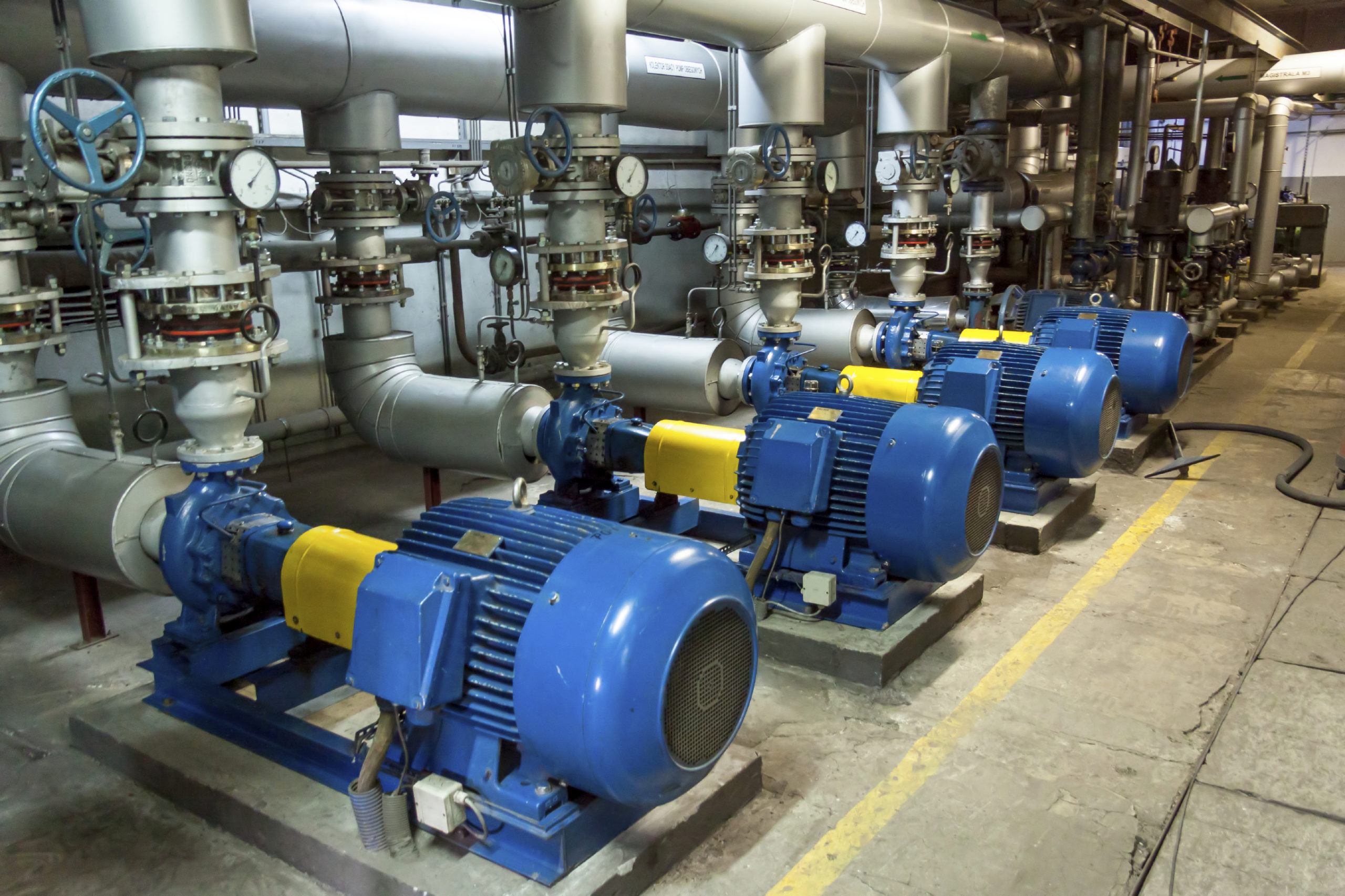
- Single-stage single-suction centrifugal pump
Invented: 1689
Inventor: Denis Papin
Details: Denis Papin was a French physicist who is considered one of the early inventors of the single-stage single-suction centrifugal pump. He designed a single-stage single-suction (volute) centrifugal pump with straight blades for drainage and irrigation; the curved blades were invented by the British inventor John Appold in 1851.
- Multistage centrifugal pump
Invention time: 1849
Inventing company: Skinner & Co., UK
Inventor: Henry W. Skinner
Details: The multistage centrifugal pump was invented to meet the demand for higher head. Henry W. Skinner designed a pump that contains multiple impellers in series, each of which can increase the pressure of the fluid. This design enables centrifugal pumps to be used in high-head and high-pressure scenarios, such as mine drainage and urban water supply.
- Axial inlet centrifugal pump
Invention time: 1903
Inventing company: Siemens AG, Germany
Inventor: Rudolf Pfender
Details: The characteristic of the axial inlet centrifugal pump is that the fluid enters the impeller from the axial direction and is transported out by centrifugal force. Rudolf Pfender developed this pump structure while working at Siemens to improve the efficiency and fluid dynamics of the pump. This design is widely used in the industrial field, especially in the transporting of high flow rates of liquid.
- Radial Inlet Centrifugal Pump
Invention Date: 1912
Inventing Company: Gates Engineering-ing, USA
Inventor: James Gates
Details: The radial inlet centrifugal pump is designed so that the liquid enters the impeller vertically and is then discharged radially by centrifugal force. James Gates' design solved the efficiency problem of traditional centrifugal pumps in high-pressure transportation. This pump is widely used in the petrochemical and power industries.
- Mixed flow centrifugal pump
Invention time: 1929
Inventing company: Alfa Laval, Sweden
Inventor: Carl Gustaf de Laval
Details: Mixed flow centrifugal pump combines the characteristics of axial flow pump and centrifugal pump, which can provide high flow and achieve a certain head. Carl Gustaf de Laval developed this pump while studying fluid mechanics, and its design is particularly suitable for agricultural irrigation and sewage treatment.
- Self-priming centrifugal pump
Invention time: 1936
Inventing company: Flygt, USA
Inventor: Stanley E. Stokes
Details: The design of the self-priming centrifugal pump solves the problem of traditional centrifugal pumps needing to be primed when starting. Stanley E. Stokes invented this pump, the principle of which is that the pump can automatically suck in liquid in a dry running state through a special pump chamber design. This pump is widely used in municipal engineering and agricultural water.
- Magnetic drive centrifugal pump
Invention time: 1965
Inventor: Magnatex Pumps, USA
Inventor: William J. Coleman
Details: The magnetic drive centrifugal pump eliminates the traditional mechanical seal and uses magnetic coupling technology to drive the impeller to rotate. William J. Coleman's design greatly reduces the risk of pump leakage and is widely used in the chemical, pharmaceutical and nuclear industries.
- Non-clogging centrifugal pump
Invention time: 1980
Inventor: Wilo SE, Germany
Inventor: Helmut Kraus
Details: The design of the non-clogging centrifugal pump is to solve the clogging problem of traditional centrifugal pumps when conveying liquids containing solid particles. Helmut Kraus developed a special impeller structure that enables the pump to efficiently convey sewage and slurry, and is widely used in municipal sewage treatment plants.