

How to prevent and handle centrifugal pump blockage?
Dec 02, 2025
Leave a message
Pump blockage is a common problem in industrial systems, which not only reduces operating efficiency and increases maintenance costs, but can also lead to system failures. Accurately identifying the type of blockage and its formation mechanism is the foundation for developing effective prevention and control strategies.
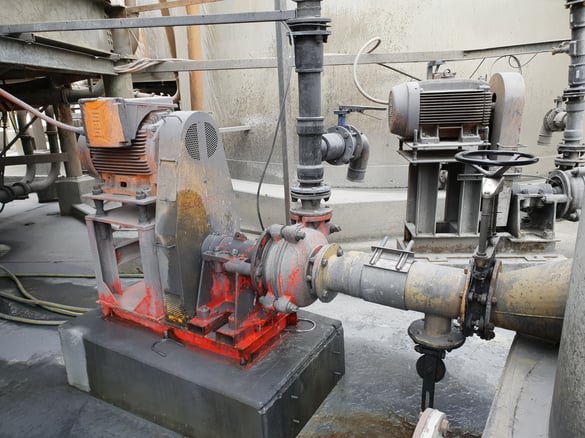
Causes of centrifugal pump blockage
-
Suction inlet blockage
If the centrifugal pump is not filled with water or is not properly vented, the pump casing and inlet pipeline will not be completely filled with liquid, resulting in blockage and obstruction.
-
Solid buildup-type blockage
This is formed by the accumulation of solid particles or debris in the pump or its components. Common sources include particulate matter such as silt and dust introduced through the source water, as well as wear and tear on internal pump parts.
-
Fibrous material entanglement-type blockage
This type of blockage is caused by materials such as fabrics, hair, and plant fibers becoming entangled in rotating parts such as impellers. It occurs frequently in sewage pumps that transport fibrous materials.
-
Grease-induced blockage
Common in food waste and wastewater treatment applications. Animal and vegetable oils condense inside the pump and adhere to the flow channel surface, gradually forming a blockage layer that obstructs fluid flow.
-
Chemical precipitation blockage
Formed in industrial process pumps by the precipitation (deposition) of insoluble substances produced by chemical reactions. Typically, this manifests as the deposition of minerals such as calcium and lime from the process solution, forming a hard scale layer.
Measures to prevent centrifugal pump clogging
- Before starting the centrifugal pump, ensure the pump casing and inlet line are completely filled with liquid and vent air appropriately.
- Check the motor wiring, system head, net pressure head for correctness, and inspect components for wear and voltage for proper operation.
- Regularly check the packing or seals for wear and replace them promptly. Also, check lubrication for proper function.
- Check the impeller clearance and correct impeller diameter, using suitable and standard-compliant impellers whenever possible.
- If the filter screen is clogged or the foot valve is malfunctioning, check the filter screen and remove any debris.
- If the suction head is too high or a vacuum occurs in the suction tank, adjust the suction head or check the suction tank.
- If there is air leakage in the suction line, check the suction-side pipe connections and the stuffing box seal to ensure a good seal.
- If the suction side is suddenly blocked by foreign objects, check for vortices at the suction inlet and whether the submersion depth is too shallow, and remove any foreign objects promptly.
Methods for dealing with centrifugal pump blockage
-
Regular cleaning and inspection
Establish a periodic cleaning and inspection plan to promptly remove debris and deposits that may cause blockages.
a. Weekly inspection of visible parts of the pump for wear and material buildup.
b. Monthly deep cleaning of the pump and filtration system based on usage frequency and operating conditions.
-
Configure a suitable filtration device
Based on the characteristics of the conveyed medium and the features of potential contaminants, select a dedicated filtration device.
a. Filtration accuracy and particle retention capacity
b. Chemical resistance of the filter element material (ensuring compatibility with the pumped fluid)
c. Ease of system maintenance and filter element replacement cycle
-
Selecting high-quality components and compatible materials
Using high-quality spare parts can significantly extend pump life and reduce the frequency of clogging.
a. For corrosive environments, stainless steel/titanium alloy components are preferred.
b. For handling viscous media, anti-stick coatings or special polymer materials are recommended.
-
Standardize Operation and Management
Strengthen professional training for operators and strictly implement standardized operating procedures:
a. Continuously monitor operating parameters and pressure gauge data.
b. Immediately stop the machine and inspect it if abnormal vibration or noise occurs.
The above measures can effectively prevent and handle centrifugal pump blockage problems, ensuring the normal operation of the centrifugal pump. If the problem persists, it is recommended to contact a professional technician for inspection and repair.