

What are the precautions for daily maintenance and care of stainless steel chemical pumps?
Aug 05, 2025
Leave a message
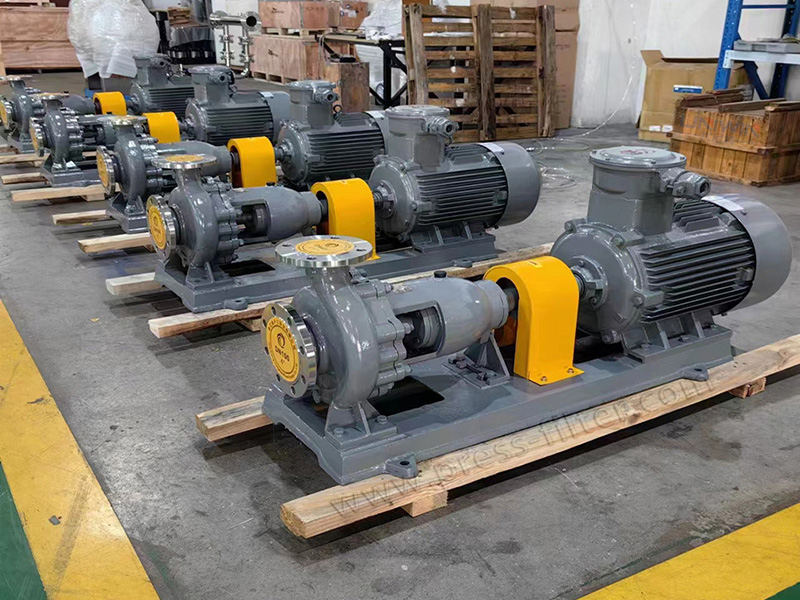
The daily maintenance and care of stainless steel chemical pumps should be combined with their material characteristics (strong corrosion resistance but limited wear resistance, sensitive welding process, etc.) and the particularity of the conveying medium (mostly corrosive, sanitary or containing a small amount of impurities). Focus on corrosion resistance, wear resistance, sealing performance and operational stability. Specific precautions are as follows:
-
Pre-Operation Inspection and Preparation
Media Compatibility Review
Confirm the compatibility of the current pumping medium with 316 stainless steel to avoid corrosion caused by changes in medium composition (such as the sudden introduction of high-concentration strong acids or fluorides). If the medium is changed, consult the material manual or the manufacturer; use outside the specified range is strictly prohibited.
Check the medium temperature and concentration: 316 stainless steel performance degrades above 300°C. Confirm that the medium temperature is within the pump's design range to avoid accelerated material aging due to high temperatures.
Appearance and Connection Inspection
Inspect the pump body, impeller, and pipe connections for signs of corrosion (such as pitting, rust, and cracks). Pay particular attention to welds (which are prone to intergranular corrosion due to process defects). Repair or replace any abnormalities promptly.
Check the tightness of flanges and seals (such as mechanical seals and O-rings) to prevent leakage. Leaked corrosive media may accelerate corrosion of the pump body or surrounding components.
Lubrication and Cooling System Inspection
For rotating components such as the bearing housing and motor bearings, fill them with the appropriate type of lubricant (grease) according to the manufacturer's instructions. Ensure the lubricant is sufficient and free of impurities (to prevent contamination of the lubricant by the medium, which could cause it to lose its lubricating effectiveness).
If the pump is equipped with a cooling system (such as a mechanical seal cooling jacket), check that the cooling water lines are unobstructed to prevent seal overheating and aging, or localized overheating of the pump body due to insufficient cooling.
-
Real-time Monitoring During Operation
Parameter Stability Monitoring
Record parameters such as flow rate, head, pressure, and current in real time. Any abnormal fluctuations (such as a sudden drop in flow rate or a rise in pressure) may indicate impeller blockage (when the medium contains a small amount of particles) or seal wear. Immediately shut down the pump for inspection to avoid overload damage to the motor or increased component wear.
Monitor the pump's operating sound: Normal operation should be free of sharp or unusual noises. If a "grinding" sound or "increased vibration" is detected, it may be due to friction between the impeller and the pump casing (due to wear or misalignment). The pump should be shut down for adjustment to prevent mechanical friction from generating high temperatures on the 316 stainless steel impeller, which could damage the surface passivation film (which is key to corrosion resistance).
Prevent leaks and corrosion
Focus on monitoring mechanical seals for leaks. Small leaks (e.g., 1-2 drops per minute) may indicate normal wear. However, if the leakage increases or the medium is highly corrosive, the pump should be shut down immediately for seal replacement to prevent continued corrosion of the shaft sleeve and pump body.
For pumps transporting sanitary media (such as food or liquid medicine), check that the seals meet sanitary standards (for example, whether they use food-grade rubber) to prevent contamination of the media.
Impurity Filtration and Cleaning
316 stainless steel has poor wear resistance. If the media contains small amounts of solid particles (such as crystals or fine sand), regularly check the inlet filter for blockage and clean the filter promptly to prevent particles from entering the pump and causing wear on the impeller and casing, or causing the impeller to stick.
-
Long-Term Maintenance and Storage Considerations
Regular Comprehensive Inspections
Perform a comprehensive inspection every 3-6 months (depending on operating intensity): This includes measuring the pump body wall thickness (to check for uniform corrosion), testing the impeller dynamic balance, and testing the motor insulation resistance to promptly identify potential problems (such as hidden cracks in welds).
For pumps used in coastal areas or high-humidity environments, regularly clean the pump body surface from salt spray and dust to prevent surface accumulation and localized corrosion.
Spare Parts Management
Spare impellers, seals, and other components should be made of the same material (316 stainless steel) or compatible materials. Avoid mixing common stainless steel (such as 304) components, which can cause galvanic corrosion (galvanic cells between two different materials in the medium, accelerating corrosion). Spare parts must be stored away from moisture and contamination. Seals, in particular, should be protected from direct sunlight and high temperatures to prevent aging.
The core of stainless steel chemical pump maintenance is "corrosion prevention, wear prevention, and sealing maintenance": by strictly monitoring media compatibility, promptly cleaning impurities, protecting the passivation film, and regularly inspecting vulnerable parts, it can not only extend its service life, but also ensure stable operation in corrosive or sanitary scenarios, avoiding performance degradation or safety risks caused by improper maintenance.