

End Suction Pump Care and Maintenance Guide
Feb 14, 2025
Leave a message
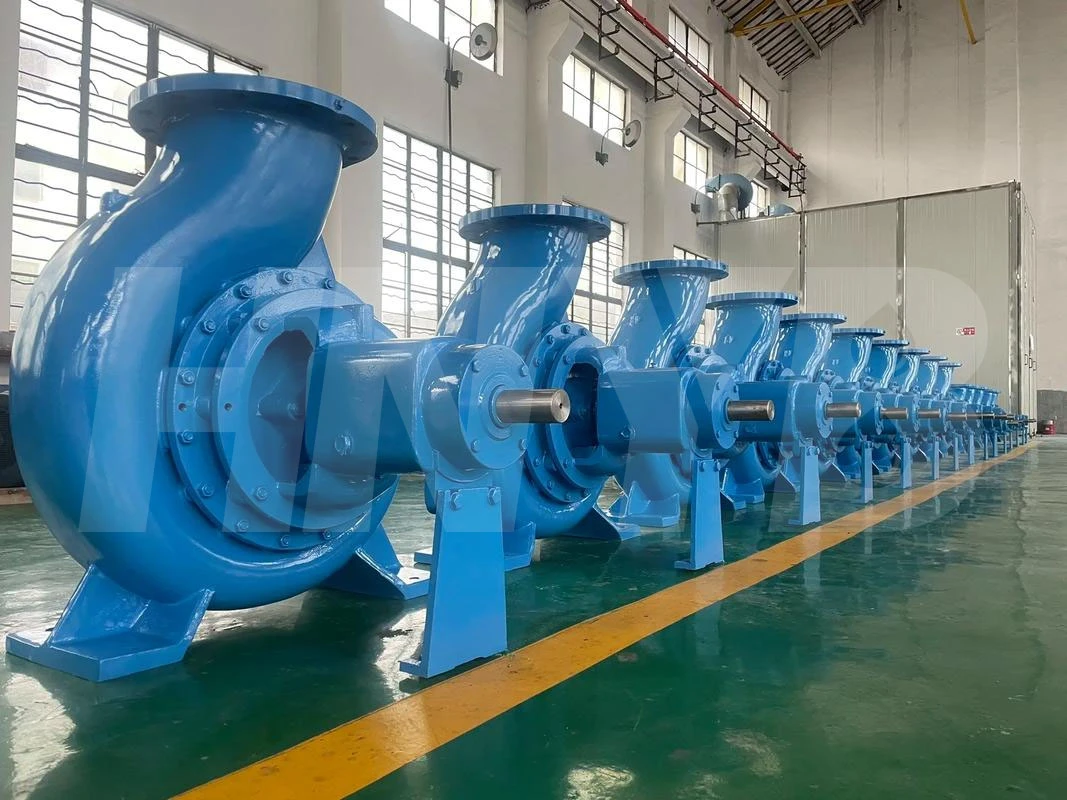
As a common type of water pump, end-suction pump is widely used in many fields such as industry, agriculture and urban water supply. It is popular among users for its compact structure and easy operation. However, only through regular maintenance and care can the end-suction pump be ensured to operate stably for a long time, extend its service life and improve its working efficiency. This article will introduce the maintenance and care methods of end-suction pump in detail from a professional perspective.
1. Daily inspection
Pump body appearance inspection Before work every day, the end suction pump should be inspected first. Focus on checking whether the pump body has water leakage, oil leakage, corrosion and other phenomena. If any abnormality is found, it should be handled in time to prevent the problem from further expansion.
Check the bearing temperature The bearing temperature of the end suction pump is an important indicator to measure the operating status of the pump. The temperature of the bearing should be measured regularly with a thermometer to ensure that it is within the normal range. Under normal circumstances, the temperature of the bearing should not exceed 70℃. If the temperature is found to be abnormally high, it may be a signal of insufficient lubrication or bearing damage.
Check the motor running status The motor is an important driving device of the end suction pump, so its running status directly affects the normal operation of the pump. Check whether the motor's current, voltage, vibration and other parameters are normal. If any abnormality is found, the machine should be stopped and checked in time.
Check the water inlet and drain outlet Check the water inlet and drain outlet regularly for blockage. Clean the debris at the water inlet to ensure smooth water flow. It is equally important to check the drain outlet to prevent wastewater or sediment from accumulating and affecting the drainage efficiency of the pump.
2. Lubrication and maintenance
Selection and replacement of lubricating oil The bearing lubrication of the end suction pump is an important measure to ensure its smooth operation. Usually, high-quality lubricating oil is selected and replaced regularly according to the conditions of use. The oil change cycle is generally about 3,000 hours, and the specific time can be adjusted according to the actual working conditions.
Lubricating oil filling When filling the lubricating oil, pay attention to the proper control of the oil level. Too much or too little oil will affect the operating efficiency and life of the pump. Use clean tools when refueling to prevent impurities from entering the bearing system.
Check the oil seal Check the status of the bearing oil seal regularly. If the oil seal is found to be aging or damaged, it should be replaced in time to avoid leakage of lubricating oil or dust and moisture entering the pump.
3. Maintenance of the sealing system
The sealing system of the end suction pump plays a vital role in the work. Poor sealing will cause water leakage or leakage of the pump body, affecting the normal operation of the pump.
Check the mechanical seal Most end suction pumps use mechanical sealing devices. Check whether the sealing surface of the mechanical seal is worn and whether the sealing ring is aged. If the seal is found to be cracked, deformed or aged, it should be replaced in time.
Replace sealing materials For end-suction pumps that have been in use for a long time, sealing materials such as rubber seals and packings should be replaced regularly. Expired sealing materials will lead to poor sealing effect and even cause leakage of the pump.
4. Regular cleaning and maintenance
Clean the inside of the pump body After the pump has been running for a period of time, some sediment or impurities may accumulate in the pump body, which will affect the performance and service life of the pump. Stop the pump regularly for cleaning, especially the pump impeller, bearing seat and other parts.
Check the impeller and pump casing The impeller is an important part of the end-suction pump. Check whether the impeller is worn, corroded or stuck with foreign objects. If the impeller is damaged, replace it in time. The pump casing should also be checked regularly to avoid the loss of pump efficiency due to wear.
Check the alignment of the shaft and pump body The alignment of the shaft and pump body is very important. Check the installation status of the pump regularly to ensure that there is no misalignment or looseness between the shaft and the pump body. If misalignment is found, it should be adjusted in time to avoid excessive bearing load.
5. Shutdown and long-term storage
Post-shutdown treatment When the end-suction pump stops using, the water inlet valve and the drain valve should be closed first to avoid reverse water flow in the pump. For water pumps that need to be shut down for a long time, it is recommended to clean the residual water in the pump to prevent scaling or corrosion. At the same time, check the status of the pump body and the motor regularly.
Long-term storage If the end-suction pump is not used for a long time, it should be properly maintained. Anti-rust oil or anti-rust paint can be used to protect the pump body, and at the same time ensure that the bearings are in good lubrication. The storage environment should be dry and ventilated, and avoid contact between the pump body and moisture or corrosive substances.
6. Fault diagnosis and repair
During long-term use, some faults are inevitable in end-suction pumps. Common faults and their solutions are as follows:
The pump does not absorb water. It may be due to blockage of the water inlet or air in the pump body. The solution is to clean the water inlet and remove the air in the pump body.
Pump vibration Pump vibration is usually caused by impeller imbalance or bearing damage. Check the impeller balance and bearing status, and repair or replace them if necessary.
Pump efficiency decreases The cause of the failure may be impeller wear, seal failure or pipe blockage. The relevant components should be checked one by one and repaired.
The maintenance and care of end-suction pumps is a systematic project. Only through careful and regular inspection and maintenance can the normal operation of the pump be guaranteed, the service life be extended, and the working efficiency be improved. It is hoped that the maintenance and care guidelines provided in this article can help you better manage and maintain the pump, thereby ensuring the efficient and stable operation of the system.