

Daily maintenance and care methods for pipeline pumps ——Key measures to extend equipment life and improve operating efficiency
Mar 04, 2025
Leave a message
As the core equipment in industrial processes and building water supply and drainage systems, the stable operation of pipeline pumps is directly related to production efficiency and energy consumption. Scientific daily maintenance and regular maintenance can effectively avoid sudden failures, reduce maintenance costs, and extend the service life of equipment. This article will systematically explain the maintenance points and maintenance strategies of pipeline pumps from a professional perspective.
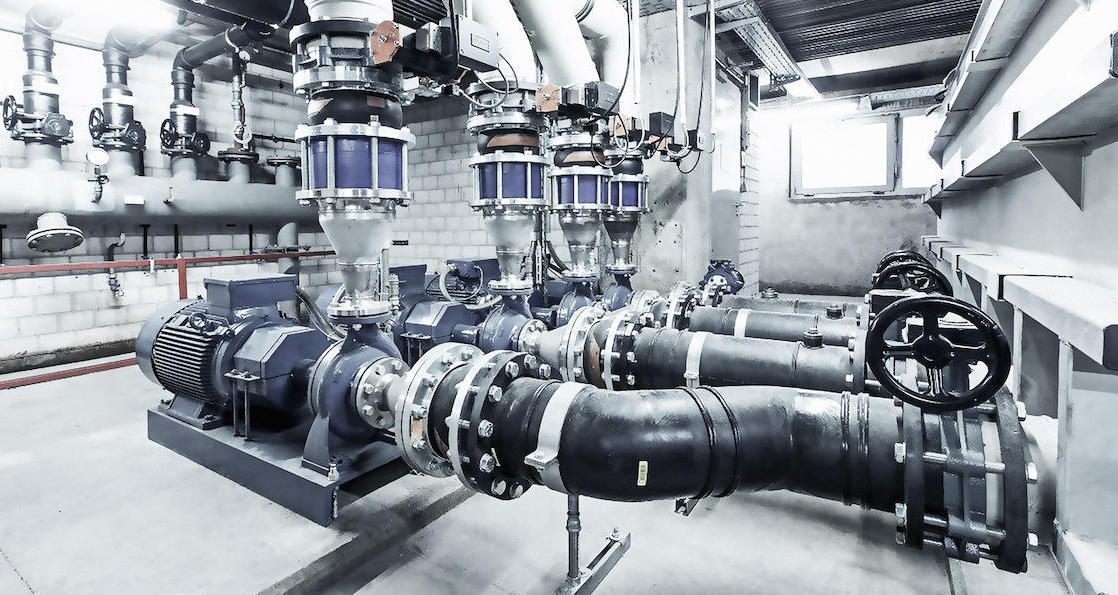
- Pre-operation inspection
Seal inspection: Confirm that the pump body, flange and connecting pipes are leak-free and the seals (mechanical seals/packing seals) are in good condition.
Lubrication system: Check the oil level (oil lubrication type) or grease filling amount (grease lubrication type) of the bearing box to ensure that the oil is clear and free of impurities.
Coupling alignment: Use a laser alignment instrument to regularly check the coaxiality deviation between the motor and the pump shaft (recommended ≤0.05mm).
- Monitoring during operation
Pressure and flow monitoring: It is very important to regularly check the outlet pressure and flow of the pipeline pump. This data can be obtained through pressure gauges and flow meters installed on the pipeline system. Under normal circumstances, the pressure and flow should be stable within the specified working range. If abnormal fluctuations in pressure or flow are found, it may be caused by damage to internal pump components, pipe blockage or leakage. For example, a sudden drop in outlet pressure may be caused by impeller wear resulting in reduced head, or a leak in the suction pipe resulting in insufficient liquid intake.
Vibration and noise inspection: Pipeline pumps will produce certain vibrations and noise during normal operation, but if the vibration and noise increase significantly, it is usually a sign of a problem with the pump. The vibration of the pump body can be detected by hand or by using a vibration meter. Strong vibrations may be caused by bending of the pump shaft, unbalanced impeller, bearing damage or loose foundation.
Abnormal noise may also indicate different problems. For example, a harsh metal friction sound may be caused by friction between the impeller and the pump casing, or lack of lubrication of the bearing; while a "buzzing" sound may be caused by motor failure or air accumulation in the pump. When abnormal vibration and noise are found, the machine should be stopped and checked in time to avoid further deterioration of the problem.
Temperature monitoring: The motor and bearings of the pipeline pump will generate heat during operation, and their temperature needs to be monitored. An infrared thermometer or temperature sensor can be used to measure the temperature of the motor housing and bearing seat. Generally speaking, the temperature of the motor should not exceed its rated operating temperature (usually there is a certain temperature rise limit based on the ambient temperature, such as the temperature rise limit of the Class B insulation motor is generally around 80°C), and the bearing temperature should also be kept within a reasonable range (generally not exceeding 70-80°C).
-Excessive temperature may be caused by overload operation, poor lubrication, poor heat dissipation, etc. For example, long-term overload of the motor will cause the current to increase and generate too much heat; lack of grease in the bearing will increase friction and increase the temperature. If abnormal temperature is found, timely measures should be taken, such as adjusting the operating load, replenishing grease, or checking the cooling system.
- Maintenance after shutdown
Drainage and cleaning: If the pipeline pump is conveying a medium that is easy to solidify or corrosive, the medium in the pump body needs to be drained after shutdown. For example, after conveying seawater or chemical solutions containing salts, the pump body and pipeline should be rinsed with clean water in time to prevent the residual medium from causing corrosion or crystallization blockage. For some pipeline pumps used in cold environments, draining the liquid in the pump body can also prevent the liquid from freezing and damaging the pump body and pipeline.
Anti-rust treatment: Applying anti-rust paint or anti-rust oil on the surface of the pump body can prevent the pump body from rusting. Especially for cast iron pump bodies, it is easy to rust in a humid environment. Before anti-rust treatment, make sure the surface of the pump body is clean and dry. If the pump body has rusted, you can first use sandpaper or rust remover to remove the rust, and then perform anti-rust treatment.
Storage and protection: For pipeline pumps that have been out of use for a long time, they should be stored in a dry, well-ventilated place, away from direct sunlight and rain. The pump can be wrapped with plastic film or waterproof cloth to prevent dust and moisture from entering. If possible, seal the pump inlet and outlet with blind plates to prevent foreign matter from entering the pump body. Before reactivating a pump that has been out of service for a long time, perform a comprehensive inspection in accordance with the pre-startup inspection and maintenance procedures to ensure that the pump can operate safely and normally.