

Causes and adjustment methods of frequent start and stop of self-priming pumps
Aug 21, 2025
Leave a message
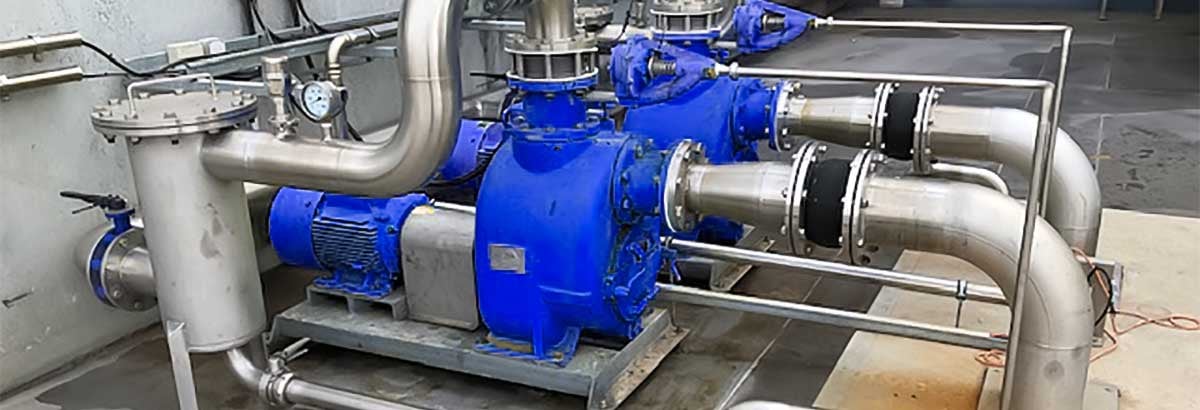
A self-priming pump is an industrial water-transfer device that uses the principle of negative pressure to achieve waterless starting. It uses the vacuum effect of the pump body to extract air and then absorb water. It is primarily used in agricultural irrigation, industrial cleaning, and other applications. Self-priming pumps offer advantages such as strong self-priming capacity, large displacement, and simple operation. However, in actual use, frequent starting and stopping can sometimes cause problems, which not only affect normal operation but can also damage the equipment. This article will introduce several effective adjustment methods to address this issue.
-
1. Check the faucets and pipes.
First, check that the faucets are closed and the pipes are not leaking. If the faucets are not tightened or the pipes are leaking, the outlet pressure will drop, triggering the self-priming pump to automatically start. Therefore, ensuring that the faucets are tightly closed and checking the integrity of the pipes is the first step to resolving the problem of frequent starts and stops. During this inspection, check each pipe connection for signs of looseness or damage, and repair them promptly.
-
2. Adjust the Pressure Tank Pressure
The pressure tank on a self-priming pump serves as a pressure regulator. If the pressure tank is insufficient, it may cause the pump to start and stop frequently. To address this, you can try adjusting the pressure in the pressure tank. To do this, loosen the inflation nut on the pressure tank and use an air pump to inflate the pressure tank to ensure it maintains pressure. Note that not all self-priming pumps support inflating the pressure regulator tank, so be sure to consult the pump's manual or consult a qualified professional before attempting this procedure.
-
3. Adjusting the Pressure Controller
If the pumping distance is long or the altitude is high, the required pressure may be higher. In this case, if the pressure set on the pressure controller does not meet the required operating conditions, the self-priming pump may frequently start and stop. To resolve this issue, you can try adjusting the pressure controller setting. To do this, first open the controller cover and then use a flat-blade screwdriver to turn the center adjustment knob clockwise to achieve a higher cut-off pressure. Of course, when adjusting the pressure controller, fine-tune it according to the actual situation to avoid damage to the equipment due to excessive or insufficient pressure.
-
4. Installing a Check Valve
When installing a self-priming pump, if check valves are not installed at the water inlet and outlet, rapid backflow may occur after a water outage, causing a drop in outlet pressure and triggering the pump to restart. To prevent this, it is recommended to install a check valve at the pump outlet. The check valve prevents rapid backflow after a water outage, thereby maintaining a stable outlet pressure. When installing the check valve, ensure it is tightly connected to the pipe to prevent leaks or loosening.
-
5. Clean the Inlet Pipe and Pump Body
Frequent starts and stops in a self-priming pump may also be caused by a clogged inlet pipe or air trapped in the pump body. Therefore, it's important to regularly inspect and clean the inlet pipe to ensure it's unobstructed. You can disassemble the inlet pipe for cleaning or flush it with a high-pressure water jet. Also, check the pump body for air. If necessary, vent air through the pump body vent hole or install an air valve at the pump inlet to remove air. Keeping the inlet pipe and pump body clean is crucial to ensuring proper operation.
-
6. Check the Motor Condition
The motor is the power source of the self-priming pump. If the motor malfunctions or operates erratically, it can cause the pump to start and stop frequently. Therefore, it's important to regularly check the motor's voltage, current, speed, and other parameters to ensure it's functioning properly. You can use a multimeter or other testing tool to test the motor and identify and address potential issues promptly. Additionally, pay attention to motor heat dissipation to prevent overheating and damage.
-
7. Check the Impeller and Bearings
In addition to the motor, the condition of the impeller and bearings can also affect the proper operation of a self-priming pump. If the impeller or bearings are worn or damaged, the pump will not function properly, leading to frequent starts and stops. Therefore, it is necessary to check the impeller and bearings for proper function regularly. This can be done by disassembling the pump or using a sound and vibration detector. If the impeller or bearings are found to be worn or damaged, they should be replaced or repaired promptly to ensure proper operation.
In summary, the frequent starts and stops of self-priming pumps can be caused by a variety of reasons. To effectively resolve this issue, multiple aspects require investigation and adjustment. By checking faucets and pipes, adjusting the pressure in the pressure tank, adjusting the pressure controller, installing a check valve, cleaning the water inlet pipe and pump body, and inspecting the motor and impeller bearings, these measures can effectively resolve the frequent starts and stops of self-priming pumps and ensure normal operation and stable performance of the equipment.