

Analysis of the causes of sudden water supply interruption of boiler feed pump
Apr 24, 2026
Leave a message
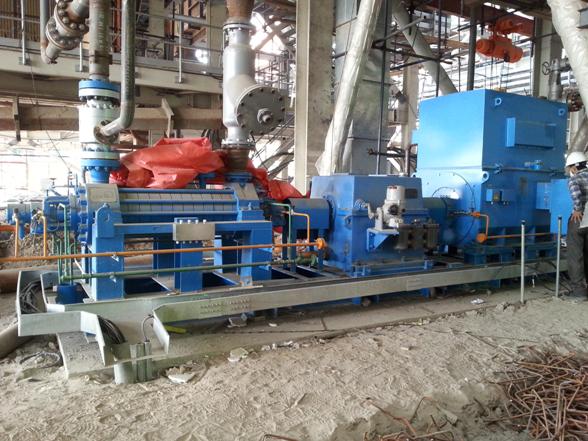
As the core water supply equipment of industrial boiler systems, multistage boiler feed pumps directly determine the safe and efficient operation of boiler units. Sudden interruptions in pumping not only force the boiler to reduce load or shut down, but can also cause serious safety hazards, such as overheating and damage to heating surfaces. In this article, technical engineers from HNYB PUMPS, a professional boiler feed pump manufacturer, analyze the causes of pumping interruptions based on the structural characteristics of multistage boiler feed pumps and their practical operation and maintenance experience, helping companies quickly troubleshoot faults and reduce downtime risks.
-
Pump Core Component Failure (Internal Root Causes)
Impeller and Flow Channel Component Abnormalities: As the core power component of the pump, wear, cracks, or deformation of the forward and reverse rotating impellers in DGP pumps can lead to a sharp decline in hydraulic efficiency. Solid impurities entering the pump chamber causing impeller blockage, or excessive wear of the sealing rings and guide vane linings leading to internal leakage, will disrupt the pressure balance within the pump, ultimately causing pumping interruption.
Sealing System Failure: Aging or wear of mechanical seals or packing seals after long-term operation can cause leakage of the medium within the pump, resulting in insufficient pump chamber pressure, reduced suction efficiency, and in severe cases, even direct interruption of water supply.
Bearing and Shaft System Failures: This type of pump uses a "fixed-floating" grease-lubricated bearing structure. Bearing wear, grease deterioration, or insufficient grease can cause eccentric rotation of the pump shaft and increased vibration. Bending or deformation of the pump shaft or damage to the shaft sleeve will further disrupt the rotor balance, leading to abnormal pumping interruption.
Cavitation Damage: Insufficient net positive suction head (NPSHa) can cause the local pressure within the pump to drop to the saturated vapor pressure of the medium, thereby triggering cavitation. This can lead to pitting and perforation of the impeller, a sharp drop in flow, and ultimately, pumping interruption-a critical cause that is often overlooked in boiler feed pumps.
-
Water supply system malfunction (external input problem)
Insufficient water supply: Depletion of raw water resources, low reservoir water level, or insufficient submersion depth at the suction inlet can all prevent the pump from drawing in enough medium, leading to "dry running" and direct interruption of pumping.
Suction system failure: Clogged suction foot valve by debris or air entering the suction pipe can disrupt the pump's suction conditions, causing air lock-in within the pump-making it impossible to draw water normally even with a sufficient water source.
-
Piping System Malfunctions (Transportation Path Issues)
- Pipe Blockage and Increased Flow Resistance: Scale and deposits accumulating on the inner walls of water supply pipes, or valves not fully opening due to blockage, reduce the cross-sectional area of the water flow channel and cause a sharp increase in resistance, exceeding the pump's rated head, thus leading to pumping interruption.
- Pipe Leaks: Weld leaks, flange seal failures, or internal valve leaks can all result in significant water loss and insufficient pump outlet flow. Severe leaks will directly cause system water outages.
- Electrical and Control System Malfunctions (Power and Control Issues)
- Motor Malfunctions: Short circuits, burnt-out windings, damaged bearings, or drive motor speeds below rated speeds can all cause insufficient pump power. Power supply voltage fluctuations or poor wiring connections can also cause unstable motor operation, indirectly leading to pumping interruptions.
- Control System Malfunctions: Faults in the PLC control module, pressure sensor, or level sensor in the automatic boiler feedwater regulating system can prevent the feedwater pump from starting/stopping or regulating flow according to the program. Sudden closure of the feedwater regulating valve or abnormalities in the variable frequency speed control system will directly interrupt pumping.
-
Impacts of Operation, Maintenance, and External Environment (Human and Environmental Factors)
- Non-standard Operating Procedures: Incorrect start-up/stop operations, pump overload, or failure to shut down in time under abnormal water levels can disrupt pump operation and lead to pumping failures.
- Lack of Maintenance: A lack of proper maintenance practices-including neglecting lubricant changes, filter cleaning, and inspection of vulnerable parts-will result in continuous performance degradation, frequent seal failures, and bearing wear, significantly increasing the risk of pumping interruptions.
- Extreme Environmental Impacts: Low temperatures may cause the medium to crystallize, clogging pipes or freezing seals; high temperatures reduce motor heat dissipation and sealing performance. Both of these conditions can indirectly lead to pumping interruptions, thus requiring appropriate protective measures.
The causes of boiler feedwater pump interruption involve multiple aspects, including pump structure, water supply, piping system, electrical control, and operation and maintenance, requiring a systematic troubleshooting process based on equipment characteristics. Enterprises should establish complete equipment files, conduct regular preventative maintenance, and develop emergency plans for different types of faults that may occur during daily operation.