

Multistage Pump Shaft Sleeve Wear: Causes, Inspection, Repair and Replacement
Oct 23, 2026
Leave a message
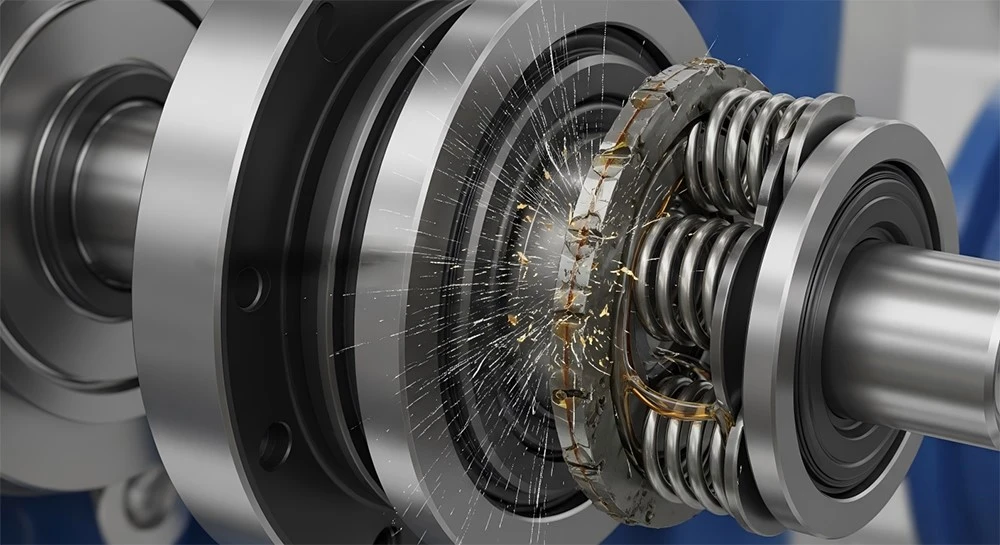
Shaft sleeve wear is a common maintenance issue in multistage centrifugal pumps. Although the shaft sleeve is a relatively small component, its condition can directly affect sealing performance, shaft protection, and the reliability of the rotating assembly.
In many pump designs, the shaft sleeve protects the pump shaft from wear, corrosion, and damage caused by sealing components. When the sleeve becomes excessively worn, leakage may increase, vibration may develop, and the underlying shaft may become damaged. Continuing to operate a pump with a severely worn sleeve can also increase maintenance costs and the risk of unplanned downtime.
However, replacing every worn sleeve immediately is not always necessary. The appropriate approach is to evaluate the wear pattern, dimensional accuracy, surface condition, and compatibility with the pump's sealing arrangement before deciding whether to reuse, refurbish, or replace the component.
This guide explains the main causes of shaft sleeve wear, how to assess its severity, and how to choose suitable repair and preventive maintenance measures.
1. What Is a Pump Shaft Sleeve and Why Does It Matter?
A shaft sleeve is a replaceable component fitted over part of a pump shaft. Depending on the pump design, it may protect areas around the shaft seal, packing, or internal bearing locations from direct wear and chemical attack.
Its functions may include:
Protecting the shaft from abrasion, corrosion, and surface damage.
Providing a suitable running surface for packing or other applicable sealing components.
Helping maintain the required fit and surface condition around the sealing area.
Reducing the need to replace an entire pump shaft when localized sleeve wear occurs.
Not every pump uses the same sleeve arrangement. Some designs use sleeves primarily around the seal chamber, while others may incorporate different configurations. Inspection and repair procedures should therefore be based on the actual pump construction.
In multistage centrifugal pumps, proper shaft and sleeve alignment is particularly important because the rotating assembly contains multiple components that must maintain suitable clearances and alignment during operation.
2. Common Causes of Shaft Sleeve Wear
2.1 Packing Friction and Incorrect Gland Adjustment
In pumps fitted with gland packing, the packing contacts the rotating sleeve to restrict leakage. A certain amount of controlled leakage may be necessary for lubrication and cooling, depending on the packing design.
Excessive packing compression increases friction and heat. Over time, this can produce scoring, grooves, localized overheating, and accelerated sleeve wear.
Uneven gland adjustment can also create uneven contact around the sleeve circumference.
What to check: Inspect the sleeve surface for circumferential scoring, grooves, localized discoloration, and uneven wear. Review packing adjustment, leakage conditions, and the maintenance history.
2.2 Abrasive Particles and Contaminated Liquid
Solid particles carried by the pumped liquid can accelerate wear, particularly when they pass through narrow clearances or contact moving surfaces.
Applications involving sand, mineral particles, slurry, or contaminated process water may expose sleeves and nearby components to abrasive damage. The severity depends on particle concentration, hardness, size, liquid velocity, and the pump's operating conditions.
What to check: Look for scratches, grooves, localized material loss, and similar wear on nearby components. Check filtration or flushing arrangements where applicable and confirm that the pump is suitable for the liquid being handled.
2.3 Corrosion and Erosion
Chemical incompatibility can cause corrosion, pitting, or surface deterioration. High local velocities and particle impact may also contribute to erosion.
Corrosion and erosion can occur together, making it difficult to identify the dominant mechanism from appearance alone. Selecting a harder material does not automatically solve the problem if the replacement material lacks suitable corrosion resistance.
What to check: Examine the sleeve for pitting, discoloration, uneven material loss, and surface degradation. Compare the damage with the fluid composition, temperature, and any changes in process conditions.
2.4 Misalignment, Vibration, and Excessive Runout
A bent shaft, worn bearings, incorrect assembly, or poor alignment can cause the sleeve to rotate eccentrically. As a result, the running clearance may vary during rotation, increasing wear in particular areas.
Persistent vibration can also accelerate damage to the sleeve, seals, bearings, and other rotating components.
What to check: Inspect the sleeve for one-sided wear and verify the shaft's straightness, sleeve fit, bearing condition, and assembled rotor runout. Check alignment and vibration readings against the manufacturer's requirements.
2.5 Incorrect Installation or Excessive Clearance
A sleeve that is installed incorrectly or has an unsuitable fit may move relative to the shaft. This can produce fretting, scoring, or localized wear at the mating surfaces.
Burrs, contamination, damaged locating surfaces, and uneven tightening can also prevent the sleeve from seating correctly.
What to check: After disassembly, inspect both the sleeve and the shaft beneath it. Look for polishing, fretting marks, scoring, looseness, and damage to locating or sealing surfaces.
3. How to Classify Shaft Sleeve Wear
A practical maintenance strategy is to classify the sleeve into three general conditions: minor wear, moderate wear, and severe wear. This helps maintenance teams avoid unnecessary replacement while preventing damaged components from returning to service.
The categories below are qualitative guidelines rather than universal acceptance limits. Actual decisions must be based on the pump manufacturer's specified dimensions, fits, clearances, and runout tolerances.
| Wear grade | Typical condition | Recommended action |
|---|---|---|
| Minor wear | Light surface scratches or oxidation, with no significant grooves, deformation, cracks, or loss of dimensional accuracy | Clean, inspect, and consider polishing and reuse if all requirements are met |
| Moderate wear | Noticeable but potentially recoverable scoring or localized wear; the underlying material remains structurally sound | Evaluate precision machining or an approved surface restoration process |
| Severe wear | Deep grooves, cracking, serious pitting, deformation, excessive looseness, or dimensions outside allowable limits | Replace the sleeve and inspect the shaft and associated components |
Wear depth alone should not determine whether a sleeve is reusable. A shallow groove in a critical sealing area may be unacceptable, while a different surface imperfection may be recoverable if the final dimensions and surface finish meet the applicable specifications.
Radial runout, roundness, concentricity, and the sleeve-to-shaft fit must also be evaluated where relevant. The acceptance limit depends on the specific pump design and the location being measured.
4. Shaft Sleeve Repair and Replacement Methods
4.1 Minor Wear: Cleaning and Polishing
When wear is limited to superficial scratches or minor surface defects, cleaning and polishing may be sufficient.
A typical procedure is:
Remove the sleeve according to the pump's disassembly instructions.
Clean off deposits, oil, corrosion products, and other contaminants.
Inspect the surface for cracks, pitting, deep scoring, and deformation.
Carefully polish minor raised burrs or superficial imperfections using an appropriate method.
Recheck the relevant dimensions, fit, and surface condition before deciding whether reuse is acceptable.
Polishing must not remove so much material that the sleeve becomes undersized or loses its required geometry. A sleeve that remains visually smooth may still be unsuitable if its critical dimensions are outside tolerance.
Use assembly lubricants or anti-seize products only when recommended by the manufacturer and compatible with the pump materials and operating conditions.
4.2 Moderate Wear: Precision Machining or Surface Restoration
Moderately worn sleeves may sometimes be refurbished if the base material remains sound and the restoration process can recover the required dimensions and surface properties.
Possible methods include precision machining, grinding, or an application-appropriate surface coating or cladding process.
The selected method should consider:
Original sleeve material and remaining wall thickness.
Required final diameter, roundness, and concentricity.
Surface finish needed by the packing or seal arrangement.
Corrosion, abrasion, temperature, and fluid compatibility.
Coating adhesion, dimensional allowances, and any required post-treatment.
Hard-chrome plating or laser cladding may be appropriate in certain applications, but neither is a universal solution. The treatment must be technically suitable for the service conditions and must not compromise dimensional accuracy, material integrity, or operating safety.
After refurbishment, the sleeve should be inspected and measured against the applicable acceptance requirements. If the repaired surface cannot meet these requirements reliably, replacement is the safer choice.
4.3 Severe Wear: Replace the Sleeve
Replacement is generally recommended when the sleeve has cracks, major deformation, deep or extensive grooves, unacceptable material loss, or dimensions that cannot be restored economically and reliably.
Select the replacement based on the original design and the operating environment. Depending on the application, candidate materials may include stainless steels, corrosion-resistant alloys, or specialized wear-resistant materials.
Material selection should account for both corrosion and mechanical wear. For example, an abrasive application may require improved erosion resistance, while a chemically aggressive liquid may require a material with appropriate corrosion resistance. One property should not be prioritized at the expense of the other.
Before installing a new sleeve, inspect the shaft underneath it. Replacing a worn sleeve without correcting a damaged shaft seating surface, excessive runout, or an unsuitable fit may lead to premature repeat wear.
5. Post-Repair Inspection and Acceptance
Inspection after repair or replacement is essential because installation errors can quickly damage a new sleeve.
Check the Shaft and Sleeve Dimensions
Measure the relevant diameters, fit, roundness, and surface condition. Check shaft straightness and assembled runout where specified.
Use the tolerances given in the pump manufacturer's drawings or service manual rather than applying one fixed value to every pump.
Confirm Correct Installation
Make sure the sleeve seats correctly and that locating features, locking arrangements, and mating surfaces are undamaged.
Tighten fasteners according to the manufacturer's procedure. Avoid excessive force or improvised fitting methods that could deform the sleeve or create eccentricity.
Inspect the Sealing Arrangement
Check the packing, mechanical seal, seal chamber, and related components as applicable. Confirm that the correct clearances and contact conditions are maintained.
If the previous sleeve suffered abnormal wear, identify and correct the underlying cause before reassembly.
Conduct a Controlled Trial Run
After reassembly, follow the specified commissioning procedure. Monitor leakage, vibration, bearing temperature, and relevant operating parameters such as flow rate and pressure.
Compare the results with the pump's expected operating conditions. If abnormal vibration, excessive leakage, or unusual temperature changes occur, stop and investigate rather than continuing operation without a diagnosis.
6. How to Prevent Premature Shaft Sleeve Wear
Effective prevention combines suitable component selection, correct installation, and condition-based maintenance.
Maintain the sealing system. Adjust gland packing according to the manufacturer's instructions. Avoid excessive compression, and investigate abnormal leakage rather than attempting to stop it by overtightening.
Keep the liquid and suction conditions under control. Where solids are present, review their concentration and abrasive characteristics. Maintain suitable filtration, flushing, or other protective arrangements where required.
Monitor vibration and alignment. Record normal vibration levels and investigate changes. Inspect bearings, coupling alignment, shaft straightness, and sleeve fit when unusual wear appears.
Use application-appropriate materials. Consider the liquid's chemical composition, temperature, solids content, and operating conditions before selecting a replacement sleeve or surface treatment.
Inspect during scheduled maintenance. Examine the sleeve whenever the pump is opened for relevant maintenance. Record wear locations, dimensions, and the condition of nearby parts to identify recurring patterns.
Conclusion
Shaft sleeve wear is not simply a consumable-component issue. It can indicate problems with sealing adjustment, fluid cleanliness, material compatibility, shaft alignment, vibration, or installation quality.
A graded maintenance approach helps determine whether a sleeve can be reused, refurbished, or must be replaced. Minor surface damage may be recoverable, moderate wear requires engineering evaluation, and severe damage generally calls for replacement. In every case, the shaft and associated components should also be inspected.
For multistage centrifugal pumps, combining accurate inspection, correct material selection, proper assembly, and regular condition monitoring can reduce repeated failures, control maintenance costs, and improve long-term operating reliability.
HNYB PUMPS manufactures industrial centrifugal pumps for a range of water supply and process applications. Providing accurate operating conditions and maintenance findings helps support appropriate pump selection and more effective technical evaluation.